
How People and AI Agents Work in One Team Room
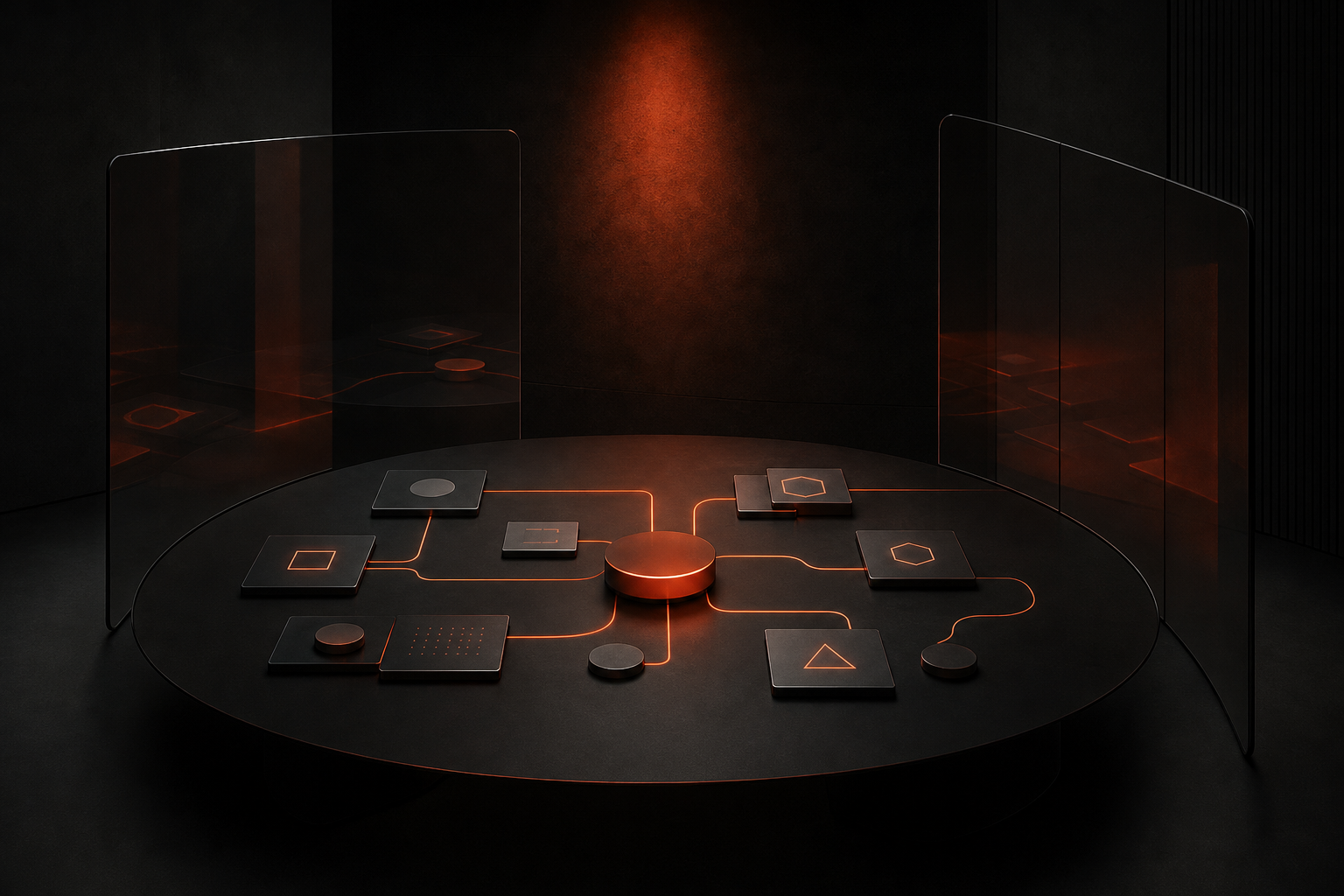
In a Nagent team room, people and AI agents work in one workspace on a single shared record: every message is attributed, every instruction becomes a task only when a person confirms it, and every question gets a cited answer. There is no separate AI dashboard to check, no context lost at handoff. The room is the work, and the record is the room. (1)
Most teams that add AI end up with two parallel tracks: the humans in Slack, the AI in some other tool, and a gap between them where context dies. The Nagent model closes that gap by design.
What does "talk is work" actually mean?
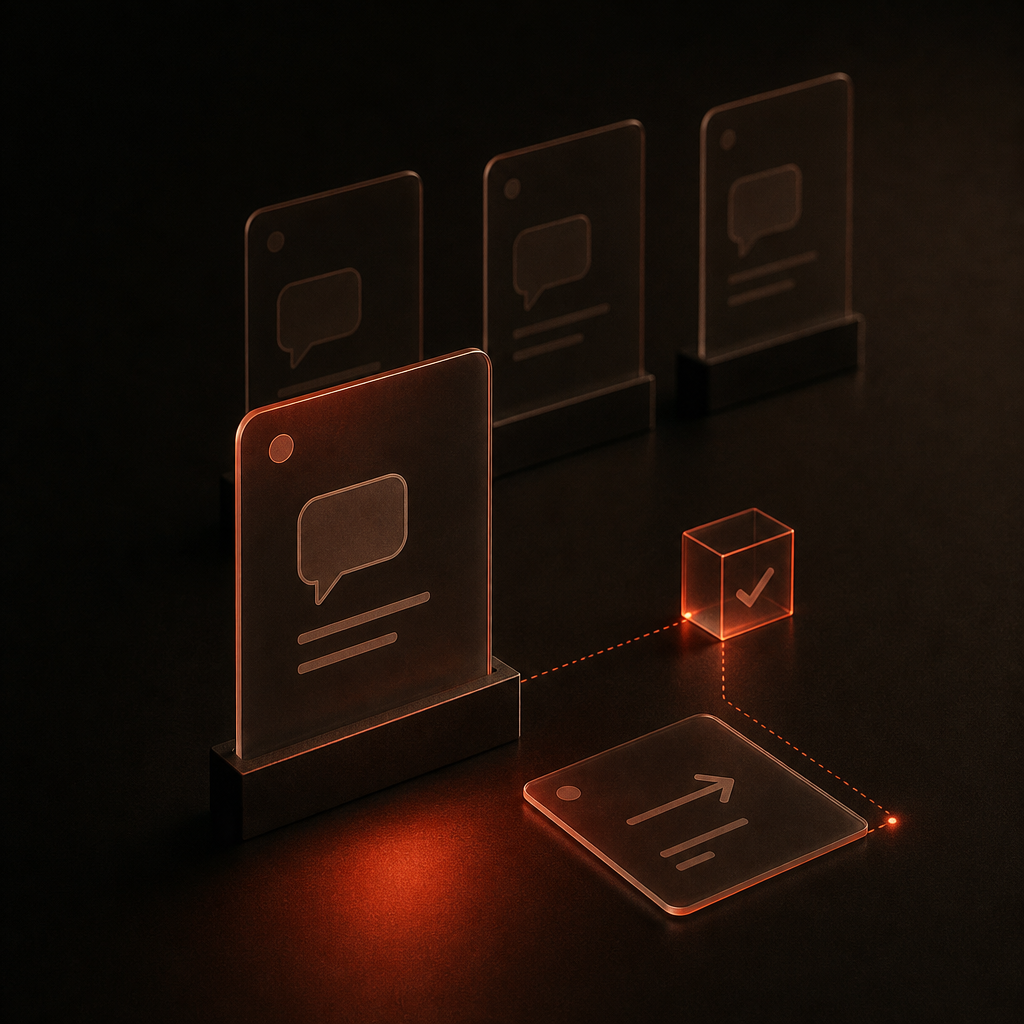
Every message in a team room is attributed, timestamped, and treated as an action, not a chat log. (1)
Type @ and address an agent, and the room reads what kind of message it is. A question gets an answer in a thread, grounded in the team's own material, with sources listed so anyone can check them. An instruction that an agent can act on starts immediately, after the agent states its assumption or asks whether you want the work or just an answer. An instruction that nothing can run yet is proposed as a card. Only a person can confirm it, and only then does it land on the board as a task. (1)
That last part matters more than it sounds. AI that acts without confirmation is a liability. AI that waits for a human gate is a colleague.
What does a real Marketing room look like?
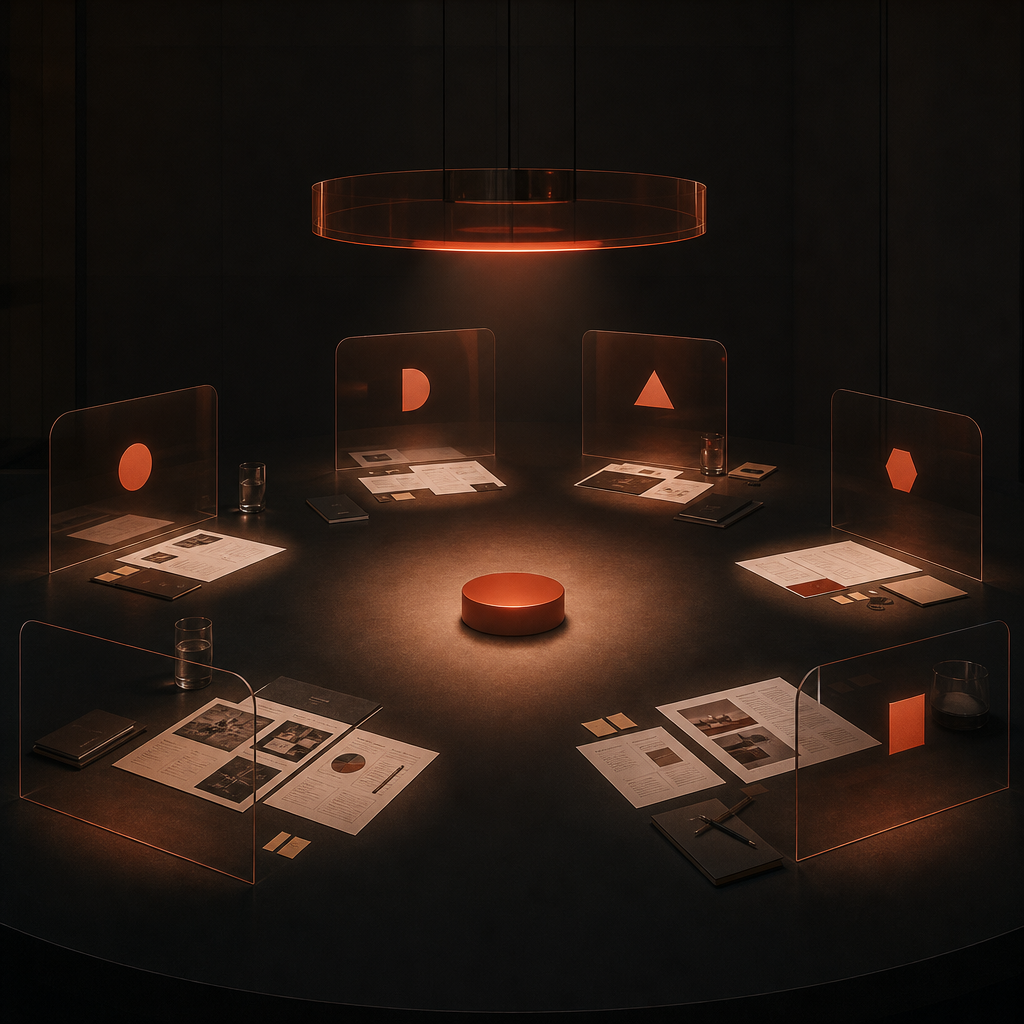
MIRA leads the Marketing room. DRIS, NIA, HOOK (Beta), and Echo (Beta) sit in it alongside the team's people. (1)
Here is what a morning in that room looks like.
The marketing lead opens the room and types: @MIRA we need a paid search push for the new product launch, two weeks out. MIRA reads the brief, works out what is needed, and hands the relevant work to the teammate who owns it. She does not do the search work herself. She coordinates. (1)
NIA picks up the Google Ads brief. She queues her proposed changes on her own surface, each with a risk note. Nothing goes live until a person approves it on Actions. (1) She asks HOOK for creative angles. HOOK returns a search ad pack. NIA checks it against her own criteria before anything is built. (1)
Meanwhile, the content lead types: @DRIS what did we say about the launch messaging in last week's brief? DRIS answers in a thread beside the room, citing the document it pulled from. The content lead does not have to leave the room, search a folder, or ping a colleague.
Three agents. One room. One record. That is what people and AI agents in one workspace looks like in practice.
Why does a single shared record change how teams operate?
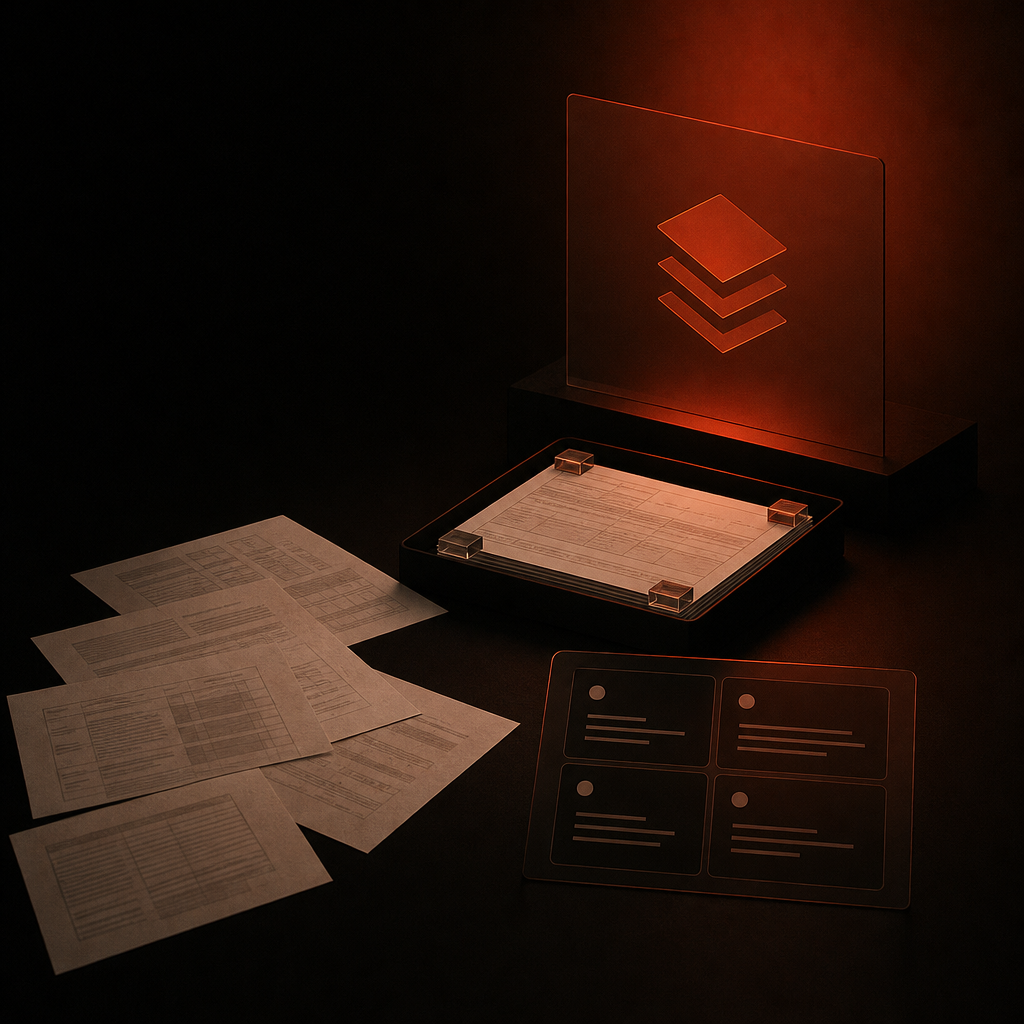
Context loss is the real cost of most AI setups, not the tool price.
When a request scrolls away in chat and the agent's work happens out of sight, nobody knows what was asked, what was decided, or why. Every handover starts from scratch. (1) In a team room, the charter, the roster, decisions, tasks, shared documents, and the memory the team has agreed to keep all live in one place. (1)
That means a new team member can read the room and understand what is in flight. It means an agent that picks up a task has the same context the person who assigned it had. And it means approvals are not a bottleneck, because the agent's work and the human gate are in the same surface.
How does a person stay in control without slowing everything down?
The confirmation step is the answer: agents propose, people confirm, and the board only fills with work that a human has signed off on. (1)
This is not a permissions screen buried in settings. It is built into how the room reads messages. An instruction nothing can run yet surfaces as a card. The person sees exactly what the agent intends to do and either confirms or sends it back with a reason. Confirmed tasks are attributed to the person who confirmed them, not the agent that proposed them. (1)
For a 10 to 200 person team, that distinction is the difference between AI that creates audit nightmares and AI that fits into how accountable teams already work.
Can agents meet without a person in the room?
Yes. When work needs more than one agent, the team's lead calls a meeting with one objective and a fixed budget. (2)
The agents argue it out. People join to speak, vote, or approve. The meeting ends with decisions and tasks, not a transcript. Nothing goes ahead without the right person's approval. (2)
A marketing lead might call an agent meeting to align NIA's paid search targets with HOOK's creative direction before a campaign goes live. The agents settle the question. The lead makes the call. That is the multiplayer model working at the coordination layer, not just the task layer.
For a deeper look at how people and AI agents in one workspace redefines the team structure, read the multiplayer AI overview.
What makes this different from an AI assistant bolted onto a chat tool?
An AI assistant answers questions. A team room runs work.
The difference is structural. An assistant has no memory of what was decided last week. It has no board. It has no roster. It cannot hand a task to another agent and track whether that agent completed it. It cannot propose a card and wait for a human to confirm before acting.
A Nagent team room has all of those things. Every agent in the room holds a role, answers from the company's own material, and earns autonomy the way people earn promotions. (1) MIRA does not do NIA's job. NIA does not do HOOK's job. The org chart is real, and it runs inside the room.
For teams that have tried AI assistants and found them useful but isolated, the team room is the next step: people and AI agents in one workspace with shared context, shared tasks, and a shared record.
Related reading
Frequently Asked Questions
What is a Nagent team room?
A team room is where a department's people and AI teammates work together on one shared record. Every message is attributed and kept, questions get cited answers, and instructions become tasks only when a person confirms them. (1)
How do people and AI agents work in one workspace without losing control?
The room reads every message and classifies it: work an agent can do now, an instruction that needs a human gate, or a question. An agent never acts on an instruction until a person confirms it, and the confirmed task is attributed to the person who approved it. (1)
Which AI agents work in the Marketing team room?
MIRA leads the Marketing room as chief of staff. DRIS, NIA, HOOK (Beta), and Echo (Beta) sit in it alongside the team's people. MIRA coordinates; the specialist agents handle their own domains. (1)
Can I add my own agents to a team room?
Yes. A growth team can build a custom agent from one sentence in Nagent's agent builder (see how), alongside the prebuilt roster, and connect it to hundreds of tools plus your own API. A workspace's edit to any prebuilt agent lands on its own copy, so the platform agents stay intact. (1)
What happens when more than one agent needs to settle a question?
The team's lead calls an agent meeting with one objective and a fixed budget. The agents work it out, people join when it matters, and nothing goes ahead without the right person's approval. (2)
What should you do next?
See the team room in action with your own department's brief. Book a demo with Nagent and we'll walk you through a live Marketing room with MIRA, NIA, and HOOK.