
How to Make AI UGC Video Ads That Do Not Look Fake

AI UGC video ads look fake for one reason: the presenter, the script, and the setting do not match how real customers actually talk. Fix those three things and the authenticity problem goes away. Use a consistent, disclosed AI presenter, write the script from real objections rather than marketing copy, and tell the audience upfront that it is AI. Disclosure does not kill performance. Mismatched signals do.
Why do most AI UGC video ads look fake?
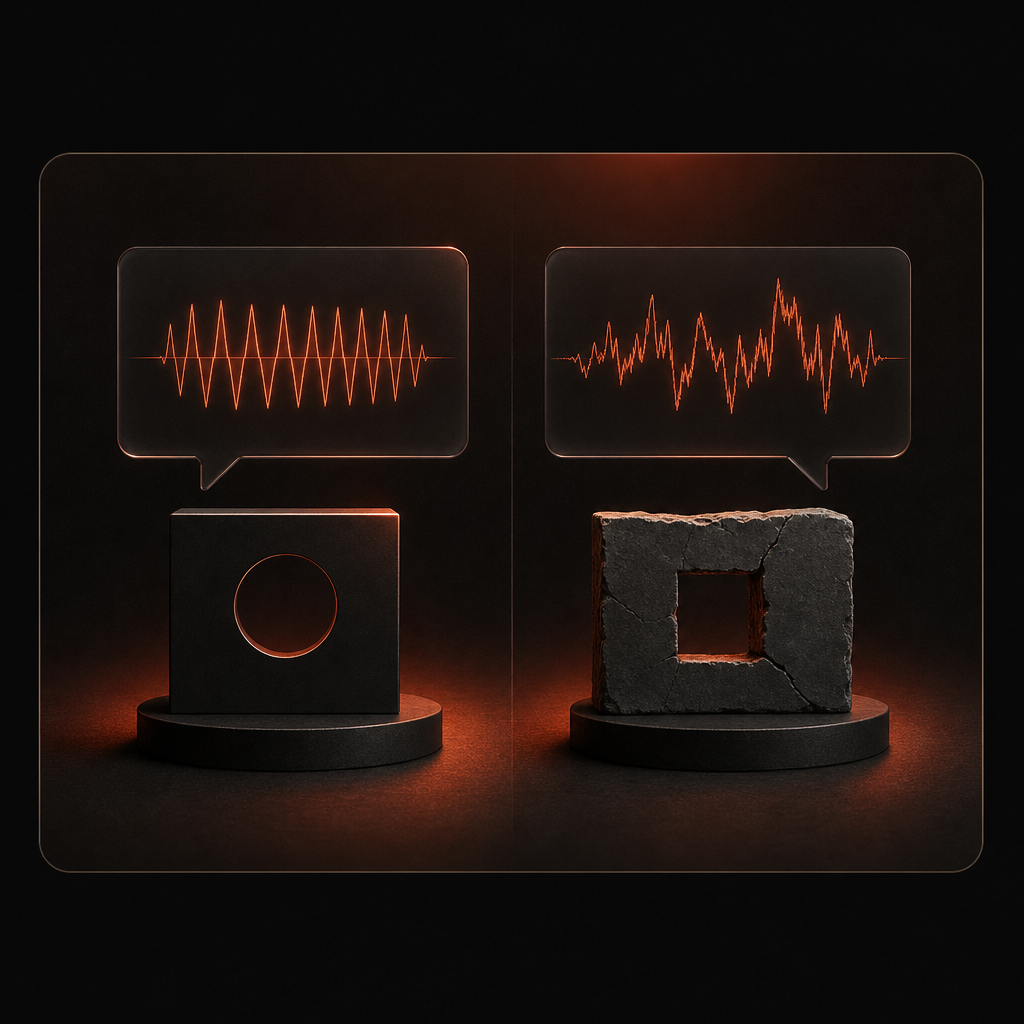
The fakeness comes from a mismatch between what the presenter says and how a real person would say it.
Most teams brief an AI video tool the same way they brief a copywriter: product name, three bullet points, a call to action. The result is a presenter who sounds like a press release. The hook is too polished. The pacing is too even. The vocabulary is brand-speak, not buyer-speak. Viewers clock it in the first two seconds, and they scroll.
The second problem is inconsistency. A brand runs ten variants with ten different AI faces, none of them named, none of them disclosed. The audience sees a different stranger every time. No familiarity builds. No trust transfers from one ad to the next.
The third problem is the absence of disclosure. Hiding the AI origin does not make the ad feel more authentic. It makes viewers suspicious when they notice, and they do notice.
What makes a disclosed AI presenter feel credible?

A named, consistent presenter who appears across every variant builds the familiarity that makes a face feel trustworthy.
Alpha, Nagent's AI video studio, uses a named persona from Nagent's library, disclosed as AI-generated, and that persona appears consistently across the campaign. The presenter is not a random face generated per render. It is a character with a defined look, voice, and cadence. Familiarity is the mechanism: a face the audience has seen before reads as safer than a face they have not.
The disclosure is always on screen. That is not a compliance afterthought. It is a trust signal. When a viewer sees "AI-generated creator" on screen, they know the brand is being straight with them. That honesty is the authenticity that performance creative actually needs.
Alpha's Meta Reels preset casts Meera, a library persona disclosed as AI-generated, and plans the hook to land inside three seconds. The format is 9:16 or 9:16 and 4:5, at 20, 15, or 30 seconds. Every element is chosen before anything renders, and a person approves the storyboard before production starts.
How should you write the script so it does not sound like a press release?
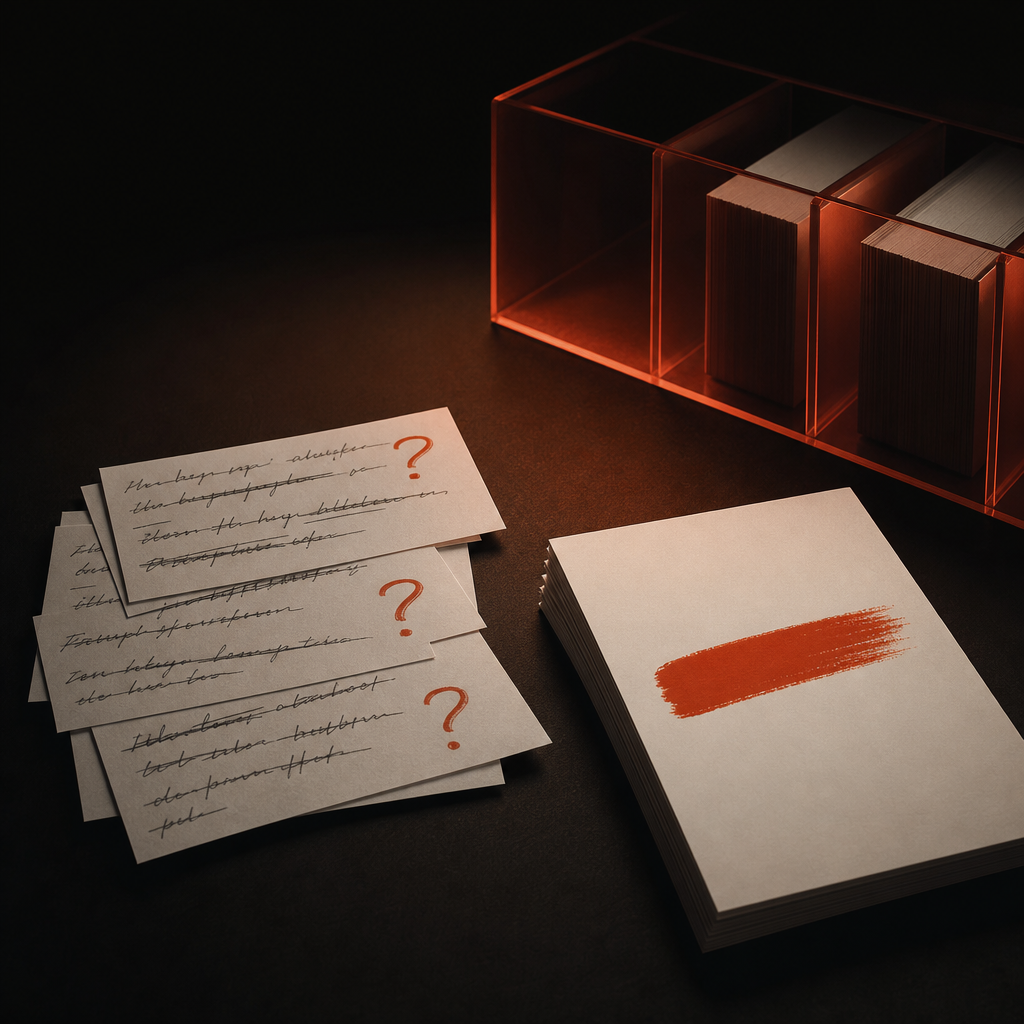
Write from real objections, not from feature lists.
Real customers do not speak in product-page language. They express skepticism, describe what did not work before, and explain what finally convinced them. Source the script from where real buyers already speak: review sections, support tickets, and return reason codes. Pull the exact phrases people use when they are skeptical or convinced, and feed those into the brief.
Alpha works from a structured campaign brief: product name, two or three key benefit claims, target audience persona, platform format, and tone. The more specific that brief, the stronger the first storyboard. A brief built from real customer language sounds like a customer. A brief built from the product page sounds like an ad.
Does disclosure actually hurt conversion rates?
Disclosure does not hurt conversion. Mismatched signals do.
The objection every creative director raises is that telling people it is AI will kill the "real person" feel, and that will kill conversions. That conflates two different things: perceived authenticity and creative authenticity.
Perceived authenticity, the "real person" feel, matters for brand campaigns targeting cold audiences. Creative authenticity, the right hook, the right emotional trigger, the right social proof framing, matters for performance creative driving ROAS. For performance-focused paid social, creative authenticity wins.
A disclosed AI presenter with a sharp hook, a script built from real objections, and a product shot that matches the claim will outperform an undisclosed AI presenter with a generic script. The disclosure removes the suspicious feeling. The script does the conversion work.
Alpha's Meta feed video preset removes the talking persona entirely when the product is the subject. No presenter means no disclosure layer is needed. The product shot starts from a RUPA keyframe, not from words alone. That is a deliberate casting decision, not a default.
How many variants should you run, and how do you decide?
Run as many variants as you can test in the time you have, not as many as your tool can render.
AI-generated UGC allows testing 80 to 200 creatives per month, with 6 to 12 iterations per winning creative, and a time to identify a winner of 3 to 7 days. Influencer-sourced workflows average 8 to 15 creatives per month, 1 to 2 iterations per winner, and 3 to 5 weeks to a result. Every creative is a hypothesis: this hook, this offer, this visual treatment, this CTA. Volume without a testing framework is noise.
Alpha quotes the videos before anything renders, and a person approves the storyboards and final assets. That step keeps a high-variant workflow from producing 200 versions of the same wrong hypothesis. HOOK (Beta) reads the results you upload, identifies which concepts won, and the next brief starts from that history. That is how variant count turns into compounding creative intelligence.
When does AI UGC make sense, and when does it not?
AI UGC is the right tool for high-frequency, performance-oriented content. It is the wrong tool for top-of-funnel brand storytelling where a real human face carries irreplaceable weight.
The clearest use cases for AI UGC are:
Many paid social variants, where cost with human creators becomes prohibitive
Regional localization, where you brief once and produce variants in multiple formats
Always-on retargeting content, where you need steady output without a content calendar bottleneck
Compliance-sensitive sectors, where every storyboard needs to be approved and every step audited
The strategic move is to use AI video for volume and performance, and keep human creator budgets for hero creative where the "real person" signal carries the most weight.
The lesson is to match the tool to the job, not to replace every human creative with an AI one.
What is the right production workflow for AI UGC video ads?
Brief precisely, approve before rendering, test systematically, and feed the results back into the next brief.
A workflow that produces ai ugc video ads that do not look fake has four steps:
Brief from buyer language. Pull objections, skepticism, and conversion moments from reviews, support tickets, and community forums. Build the brief from those, not from the product page.
Choose the presenter deliberately. Use a consistent, disclosed persona for talking-head formats. Use a product-first format when the product is the subject. Do not default to whatever the tool renders first.
Approve the storyboard before anything renders. Alpha quotes the video and a person approves the storyboard before production starts. That step is where you catch wrong hypotheses cheaply.
Feed results back. HOOK (Beta) reads the results and identifies winners. The next brief starts from that history, not from zero.
This is not a "generate and launch" workflow. It is a creative testing operation where AI handles volume and humans handle judgment.
Related reading
Frequently Asked Questions
Why do AI UGC video ads look fake?
They look fake when the presenter, script, and setting do not match how real customers speak. Marketing copy briefed into an AI video tool produces a presenter who sounds like a press release, and viewers recognize that mismatch within the first two seconds.
Does disclosing that an ad is AI-generated hurt its performance?
Disclosure does not hurt performance. For performance creative, creative authenticity, meaning the right hook, the right emotional trigger, and the right social proof framing, matters more than perceived authenticity. A disclosed AI presenter with a sharp, objection-driven script outperforms an undisclosed one with generic copy.
How many variants should a D2C brand test with AI UGC?
AI-generated UGC allows testing 80 to 200 creatives per month, compared to 8 to 15 with influencer-sourced workflows. The right number is however many you can test systematically: volume without a testing framework is noise, not learning.
What does Alpha need to produce a UGC-style video ad?
Alpha works from a structured campaign brief: product name, two or three key benefit claims, target audience persona, platform format, and tone. Brand colors, product shots, and reference content strengthen the first storyboard. The more specific the brief, the less iteration the storyboard needs.
When should a D2C brand use human creators instead of AI UGC?
Use human creators for top-of-funnel brand storytelling where a real person's face and voice carry irreplaceable weight. Use AI UGC for high-frequency paid social variants, retargeting content, and regional localization, where volume and speed matter more than the "real person" signal.
What should you do next?
Run your first AI UGC batch with a single product and a brief built from real customer objections. Book a demo with Nagent and we will walk through it with your offer and audience, with a person approving every asset.
Related posts
What is an AI creative strategist for paid social?
Continue learning
Agents that match this read.
AdMaker Alpha
Create cinematic high-engagement AI advertisements up to 15 seconds with automated scripting, storyboarding, visuals, motion planning, and video generation optimized for social media and performance marketing.
View agent SScrollStop AI The Viral Reel Creator
An autonomous content agent that transforms concepts into highly engaging, platform-optimized Shorts and Reels completely effortlessly.
View agent UUGC Genie
AI-powered UGC videos built for modern brands. Turn product briefs into scroll-stopping content - no shoots, no talent sourcing, no delays.
View agent