
What is an AI creative strategist for paid social?

An AI creative strategist for paid social decides what to say before anything is made. It frames the brief, identifies angles, writes hooks and scripts, checks every claim against your proof, and hands a finished pack to the people and tools that build and run the ads. It does not touch your ad account, does not launch campaigns, and does not move budgets. Strategy is the whole job.
What does an AI creative strategist actually do?

The role is upstream of production: brief-in, pack-out, with reasoning in between.
Most teams treat creative strategy as the thing that happens before the real work starts. A quick brief, a Slack message with vibes, maybe a mood board. Then the designers and copywriters take over and the strategy gets diluted through four rounds of revision.
An AI creative strategist holds the strategy through the whole pre-production cycle. Feed it a brief and it produces angles, selects hook structures for each platform, writes scripts, and checks that every claim in those scripts traces back to something you can actually prove. The output is a pack ready for a human to approve, not a first draft ready for a human to fix.
Why does paid social need a dedicated creative strategy role?
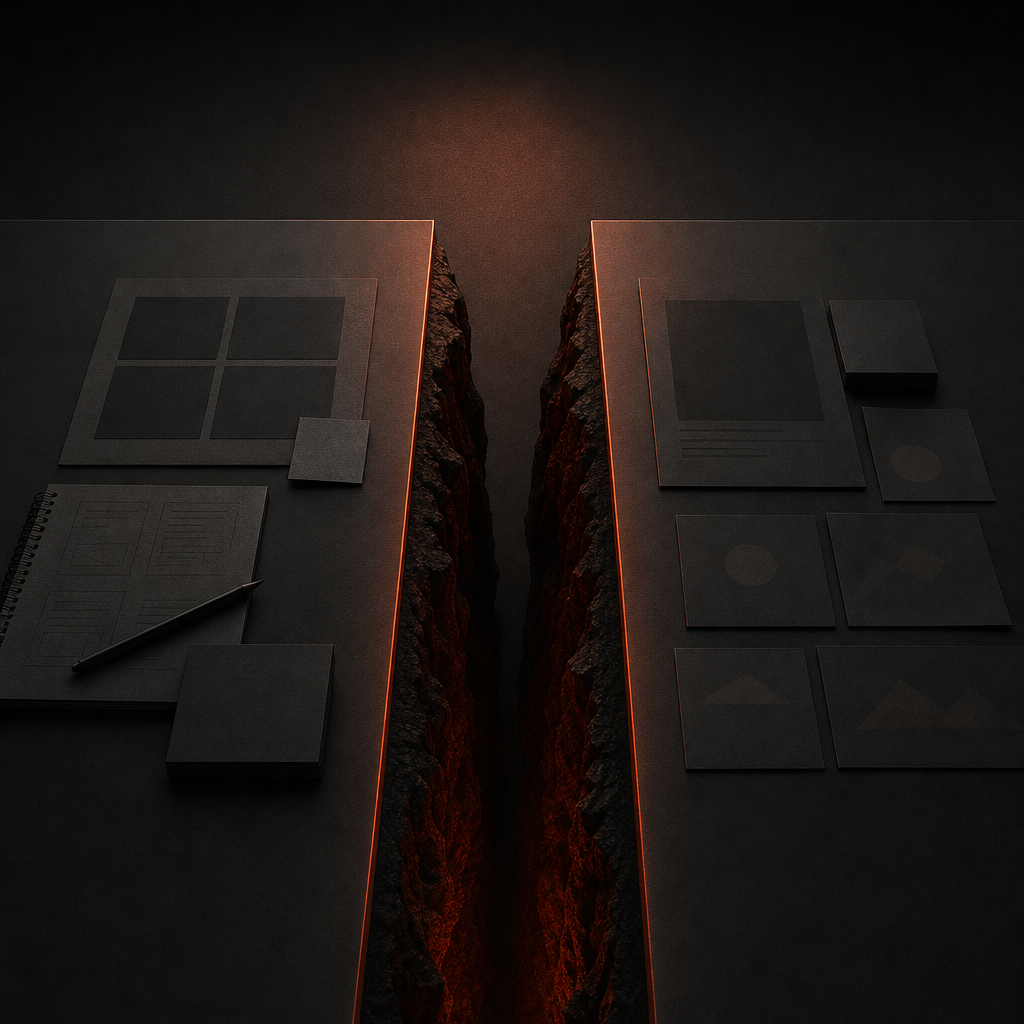
Because the gap between strategy and production is where performance dies.
A performance marketer on Meta and TikTok is making two kinds of decisions: what to say and how to show it. Those decisions are connected but they require different skills. Most teams collapse them into one role or one meeting. The result is creative that looks good but says the wrong thing, or copy that says the right thing on the wrong platform.
Separating creative strategy from production is not a luxury. It is the structural fix that lets you test more angles without burning more budget on production. When strategy is its own step, you can iterate on messaging before a single frame renders.
How does HOOK work as an AI creative strategist?
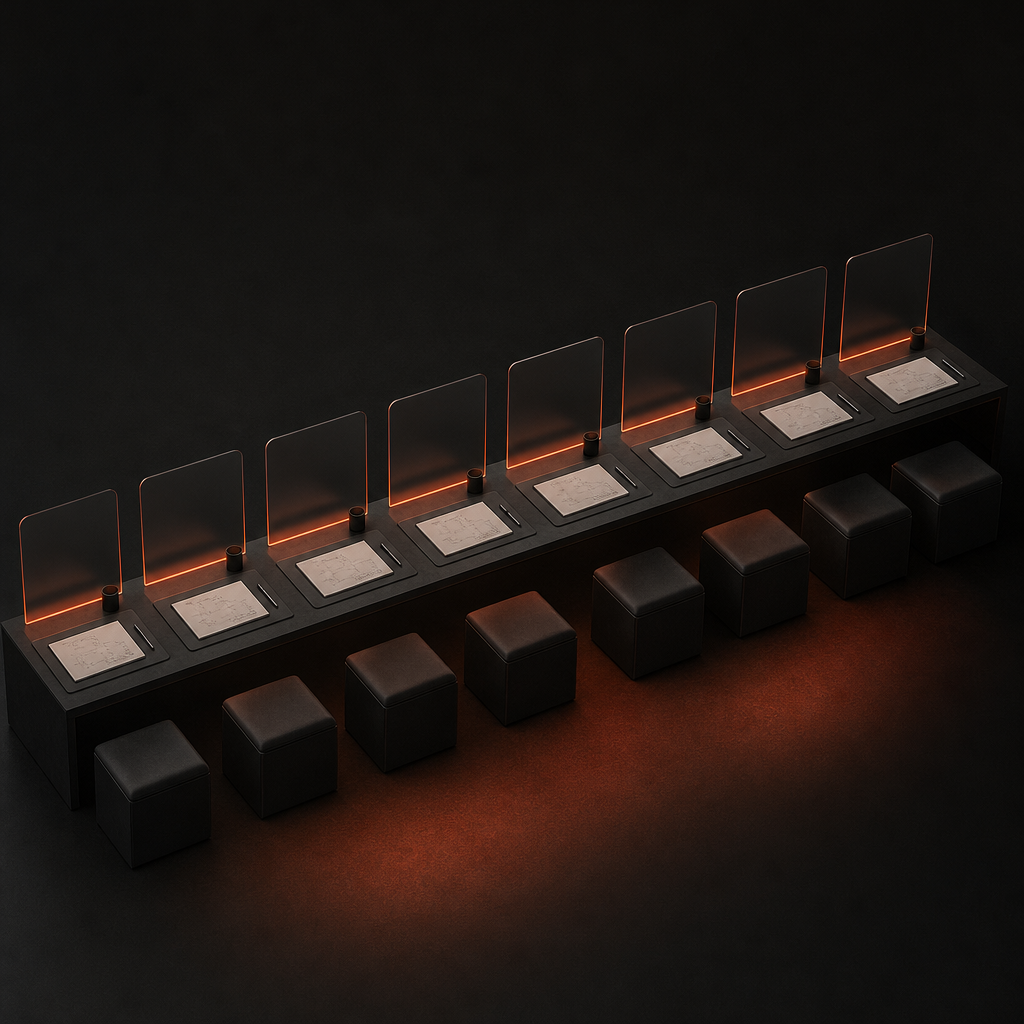
HOOK is Nagent's AI creative strategy lead for paid social, and it operates as a bench of eight seats, each with a distinct job.
The bench is not a single model doing everything. Each seat has a defined function: finding ads worth studying, building channel packs, writing angles and hooks per pack, drafting scripts, checking claims against your proof before anything reaches a reviewer. The work is structured, not generative in the loose sense.
Here is how a brief moves through HOOK:
Brief ingestion. You describe the product, the audience, the platform, and the objective. HOOK reads the brief, not a form you fill out.
Channel pack construction. HOOK builds packs per channel. A TikTok pack gets different hook structures than a Meta retargeting pack.
Angle and hook generation. Multiple angles per brief, each grounded in the audience's intent at that stage of the funnel.
Script drafting. Hooks, body copy, and calls to action written to the platform format and the sales stage.
Claim checking. Every claim in every script is checked against your proof before the draft reaches a reviewer. If the claim is not supported, it does not go out.
Pack handoff. The finished pack goes to a person for approval. From there, Alpha can render video, RUPA can produce ad stills, and NIA can build a Google pack, paused, for a human to launch.
The operational tell is what HOOK does not do. It has read-only access to your ad account. It cannot launch, pause, or change a budget or a bid. No seat on its bench can. A person uploads, pauses, and spends in the ad platform. HOOK's job ends at the pack.
Does read-only access limit what an AI creative strategist can do?
No. It defines what the role is for.
This is worth saying plainly because some teams expect an AI creative strategist to close the loop from brief to live ad. That is not the right model for paid social, where a bad launch decision costs real money. Read-only access is not a limitation of HOOK's capability. It is a design choice that keeps human judgment where it belongs: on the decision to spend.
What read-only access enables is honest performance analysis. HOOK reads what ran and what performed, and that data feeds the next brief. The loop is: strategy, production, launch (human), performance read, next strategy. HOOK owns the first and last steps. Humans own the middle.
How does an AI creative strategist change the revision cycle?
It moves the cognitive work from revision to brief, which is where it should have been all along.
The standard paid social creative cycle runs: brief, design, copy, review, revise, revise again, approve. Most of the revision is correcting strategy decisions that were never made explicit in the first place. The copy says the wrong thing because the brief did not specify what the right thing was.
When HOOK checks claims before a draft reaches a reviewer, the revision cycle shrinks. The gain shows up in approval rounds, not just draft speed. Fewer rounds means faster time-to-test, which means more creative iterations per quarter on the same budget.
According to Nagent's own product documentation, HOOK is built so that the gain shows up in revision count, not just draft speed. (1) That distinction matters for performance marketers who are measuring creative output in terms of winners per month, not drafts per day.
What does an AI creative strategist hand off to production?
A pack: angles, hooks, scripts, and the claim-check record, ready for Alpha, RUPA, or a human producer to execute.
On Nagent, the Marketing team room connects HOOK's output to the rest of the production chain. MIRA, the AI chief of staff for Marketing, routes the pack: HOOK for angles and scripts, Alpha for video ads, RUPA for product shots and ad stills. (2) Strategy and visuals stay connected because they start from the same brief.
For D2C brands running across Meta and TikTok, that connection matters. A hook written for a TikTok cold audience needs different visual pacing than a Meta retargeting still. When the brief is shared, the production team does not have to reconstruct the strategy from a Slack thread.
What does an AI creative strategist not replace?
Brand judgment, market intuition, and the decision to spend.
An AI creative strategist is not a creative director. It does not set brand strategy, define the market position, or decide which product to push this quarter. Those decisions require context that lives outside any brief: competitive moves, retailer relationships, founder vision.
What HOOK replaces is the manual, time-consuming work of translating strategy into structured creative options. The strategist still sets the parameters. The AI executes within them, at a pace and volume a human team cannot match on its own.
Related reading
Frequently Asked Questions
What is an AI creative strategist for paid social?
An AI creative strategist is an agent that handles the pre-production layer of paid social: brief ingestion, angle development, hook and script writing, and claim verification. It produces a finished creative pack for human review and handoff to production. It does not launch ads, manage budgets, or replace brand-level strategic decisions.
How is HOOK different from a general AI copywriting tool?
HOOK operates as a bench of eight seats, each with a defined job, rather than a single model generating text from a prompt. It builds channel packs, writes multiple angles per brief, and checks every claim against your proof before a draft reaches a reviewer. A general copywriting tool generates text; HOOK structures a creative strategy.
Can HOOK launch or pause ads on my account?
No. HOOK has read-only access to ad accounts and cannot launch, pause, or change a budget or a bid. No seat on its bench can. A person makes every spend decision in the ad platform. HOOK's output is a pack ready for a human to upload and activate.
Why does claim checking matter in creative strategy?
A script that makes a claim you cannot support is a compliance risk and a trust problem with your audience. HOOK checks every claim in every script against your proof before the draft reaches a reviewer, so the revision cycle does not get spent correcting factual errors. The result is fewer approval rounds and faster time-to-test.
What should you do next?
See HOOK in context, ask how the bench works, and map it to your current creative workflow. Book a demo with Nagent and bring your last brief.