
NIA vs Optmyzr: Which Google Ads Tool Fits Your Team?

NIA is the better fit for marketing managers running Google Ads without a dedicated PPC specialist. Optmyzr is purpose-built for agencies and in-house experts who want faster workflows on top of accounts they already know deeply. The two tools solve different problems for different people, and choosing the wrong one wastes both money and time.
What does Optmyzr actually do?

Optmyzr is PPC optimisation software that layers on top of Google Ads (and other platforms) to help specialists work faster.
Its core pitch is rule-based automation, one-click optimisations, and reporting dashboards that experienced practitioners configure themselves. The product assumes you already understand match types, Quality Score, and bid strategy. It hands you sharper tools. It does not run the account for you, and it does not explain what the numbers mean in plain English.
That is a deliberate design choice, not a gap. Optmyzr's customers are PPC managers and agencies running dozens of accounts who need to compress the time they spend on repetitive tasks. If that is your situation, Optmyzr is a reasonable choice.
Who is NIA built for?

NIA is Nagent's performance marketing teammate for Google Ads, built for heads of marketing and growth who run paid search without a full-time specialist.
She reads a connected Google Ads account, answers questions about it in plain English, builds new Search campaigns from a brief, and proposes changes to live ones: pausing a campaign that wastes spend, moving budget, tuning bids, adding or pausing keywords. Every proposed live change waits for a person to approve it before anything touches the account.
That last point matters. Most ad automation tools act first and measure afterwards. NIA proposes and a human decides. The account never changes without sign-off. (2)
Why is the "optmyzr alternative" framing often misleading?
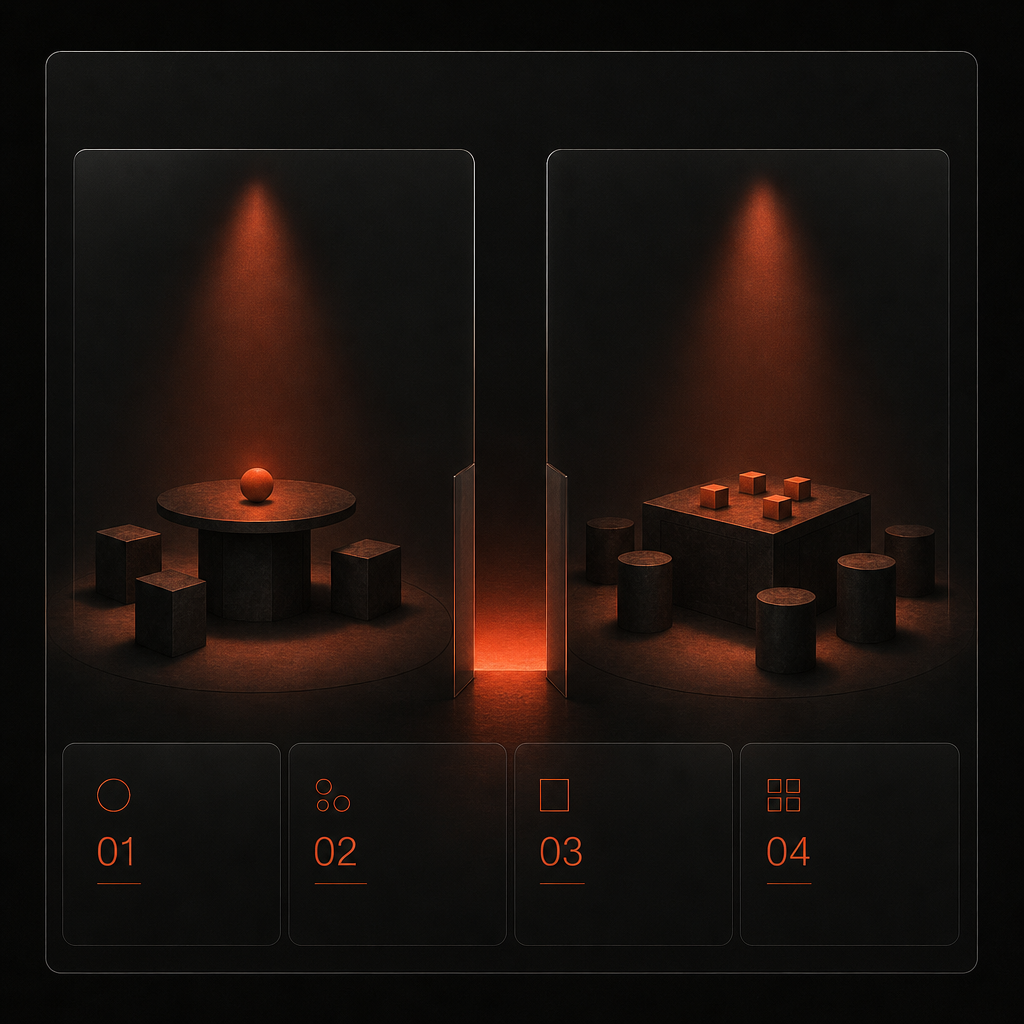
The two tools are not substitutes, because they start from different assumptions about who is in the room.
Optmyzr assumes a specialist is in the room. It gives that specialist faster levers. NIA assumes no specialist is in the room. She is the specialist, working alongside whoever owns the marketing budget.
When a marketing manager at a growing B2B company searches for an optmyzr alternative, they often mean one of two things:
They tried Optmyzr and found it assumed knowledge they did not have.
They want something that does more of the thinking, not just the clicking.
NIA answers the second need directly. She does not require you to know what a bid adjustment is before you can act on one. You describe the outcome you want, and she translates that into campaign structure and change proposals.
What does NIA actually propose and change?
NIA works across the full campaign management loop, not just reporting.
Specifically, she reads the connected Google Ads account and can:
Answer questions about account performance in plain English
Build new Search campaigns from a written brief
Propose pausing campaigns that waste spend
Recommend budget moves between campaigns
Tune bids and add or pause keywords and negative keywords
Every one of those actions is a proposal first. The person who owns the budget approves or rejects it. Nothing goes live without that step. (2)
This is what separates NIA from both Optmyzr and from fully autonomous ad tools. She operates with human oversight baked in, not bolted on.
Where is Optmyzr the better pick?
Optmyzr wins when the person using it already knows Google Ads well.
If your team includes a PPC manager or a paid search agency that manages accounts day to day, Optmyzr's rule engine, bulk optimisations, and reporting layer can meaningfully compress their working time. The tool is designed for people who want to move faster on decisions they already know how to make.
Optmyzr is also worth considering if you run multiple ad platforms simultaneously and want a single optimisation layer across them. NIA connects to Google Ads. (1) If your paid search work is Google-only and you do not have a specialist, NIA is the stronger fit. If you have a specialist and a multi-platform setup, Optmyzr is worth evaluating on its own terms.
Be honest about which situation you are actually in.
How does NIA handle governance and security?
Every change NIA proposes goes through human approval before it touches a live account. (2)
Nagent's platform runs with tenant isolation, role-based access control, and an append-only audit log. A SOC 2 Type II programme is underway. Private VPC deployment, with your own model and key, is part of the Enterprise plan. (1)
For a marketing manager who does not want to hand the keys to an automated system, that structure is the point. NIA earns autonomy through a track record of approved proposals, not by acting first and asking later.
What does the workflow actually look like?
The day-to-day experience with NIA is closer to briefing a colleague than configuring software.
A typical flow looks like this:
Connect your Google Ads account to the Nagent workspace.
Ask NIA a question: "Where is our budget going this week?" or "Which campaigns are underperforming?"
NIA reads the account and answers in plain English.
You brief a new campaign or ask NIA to propose changes to a live one.
NIA surfaces a proposal with the reasoning behind it.
You approve, reject, or edit the proposal.
Approved changes go live. Rejected ones stay in the audit log.
There is no rule engine to configure. There is no dashboard to learn before you can act. The interface is the brief. (2)
Is NIA a good fit if you are scaling paid search for the first time?
Yes. NIA is specifically built for teams that run paid search without a full-time specialist.
If you are scaling Google Ads for the first time, the biggest risk is not a bad tool. It is spending budget on campaigns you do not fully understand, with no one in the room who can read the signals. NIA addresses that directly: she reads the signals, explains them, and proposes actions. You stay in control of what goes live.
That is a meaningfully different starting point from Optmyzr, which assumes you can already read the signals yourself.
Related reading
Frequently Asked Questions
Does NIA replace a PPC specialist?
NIA is designed for teams that do not have a full-time PPC specialist, not to replace one where a strong specialist already exists. She reads the account, proposes changes, and explains her reasoning in plain English, so the person who owns the budget stays informed and in control. If your team has a specialist, pairing NIA with that person is also a valid setup.
Can NIA make changes to a live Google Ads account without approval?
No. Every change NIA proposes waits for a person to approve it before anything touches the live account. (2) This is a deliberate design choice: NIA surfaces recommendations and the reasoning behind them, and the human decides what goes live. Nothing is automated without sign-off.
What ad platforms does NIA connect to?
NIA connects to Google Ads. (1) For Meta, LinkedIn, and other platforms, other Nagent teammates handle analysis from uploaded results files. If your paid search is Google-only, NIA covers the full campaign management loop.
Is Optmyzr a better choice for agencies?
Optmyzr is built for specialists and agencies who manage accounts themselves and want faster workflows on top of accounts they already know. If your agency has experienced PPC managers running multiple accounts, Optmyzr's rule-based automation and bulk optimisation tools are a reasonable fit. NIA is not designed for that use case: she is built for marketing managers running Google Ads without a dedicated specialist.
How quickly can a team get started with NIA?
According to Nagent, teams can deploy their first agent in two hours without writing code. (2) The onboarding flow connects your Google Ads account to the Nagent workspace, and NIA starts reading the account from there. No rule configuration is required before you can ask your first question or brief your first campaign.
What should you do next?
If you are running Google Ads part-time and want a teammate who reads the account, proposes changes, and waits for your approval before spending a dollar, book a demo with Nagent and see NIA work on a live account.