
Self-Correcting FMCG Marketing Workflows

Self-Correcting FMCG Marketing Workflows
Self-correcting FMCG marketing workflows don't just schedule campaigns. They watch them, and when something goes wrong they move before the damage compounds. When velocity drops at a regional retailer, creative fatigue sets in at week three, or a stockout makes your push promotion actively harmful, most marketing stacks log the anomaly and wait for a human to notice. Agentic loops catch the signal, prepare the correction and put it in front of the person who approves it, in minutes rather than at next week's meeting.
The industry calls this "campaign optimization." It isn't. Optimization assumes the plan was right and needs tuning. What we're describing is self-correction, detecting that the plan is actively wrong and fixing it mid-flight.
Why do FMCG campaigns drift in the first place?
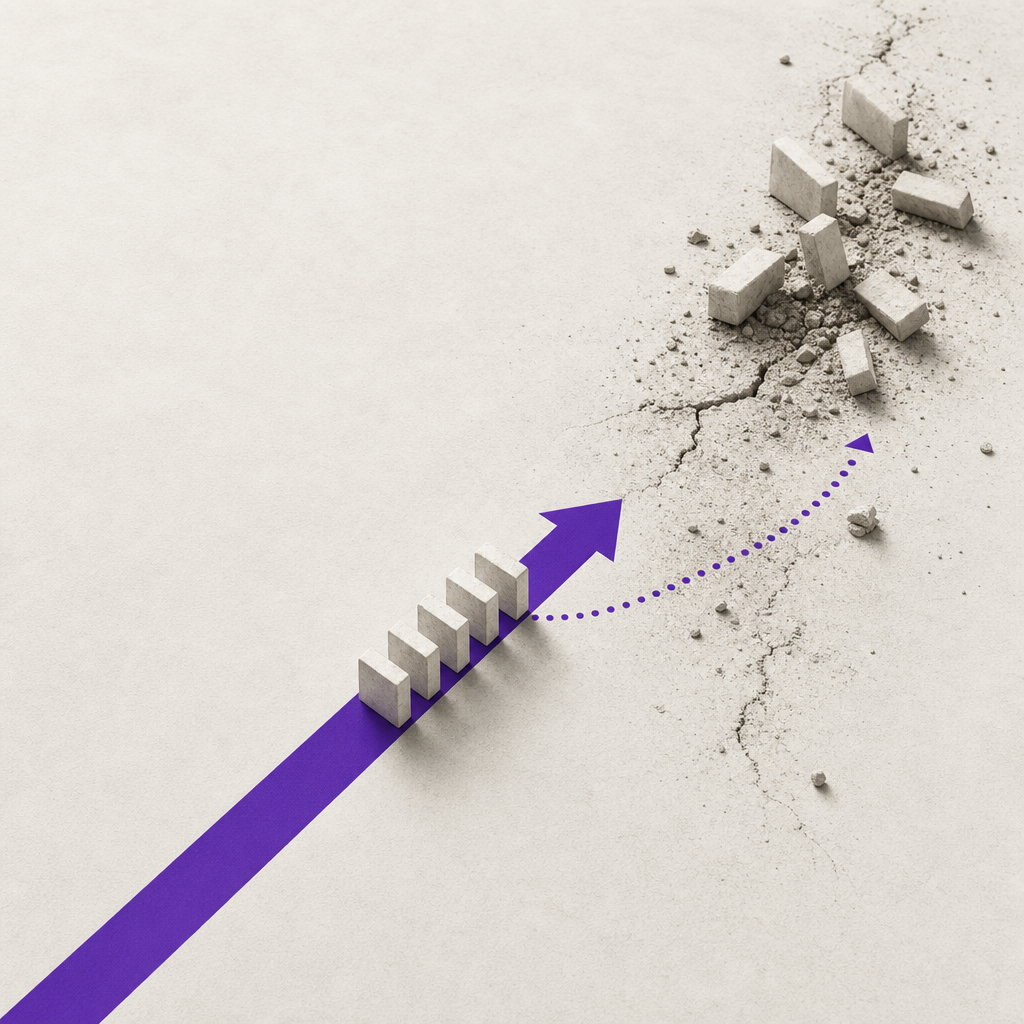
Campaign drift happens when the real world diverges from the brief, and your stack keeps executing the original plan anyway.
FMCG campaigns run across dozens of channels, hundreds of SKUs, and thousands of retail touchpoints simultaneously. Three drift triggers appear most often:
Velocity drops: sell-through at a cluster of stores falls below forecast, signaling a pricing, placement, or promotional mismatch.
Retailer stockouts: your campaign is driving demand to a shelf that's empty. Every impression you buy now is negative ROI and potential brand damage.
Creative fatigue: the same banner, the same TVC cut, the same email creative past its effective window. Frequency curves flatten, then invert.
Each of these is detectable. What's missing in conventional marketing automation is an agent that turns the detection into a ready correction, rather than an alert for someone to triage next Tuesday.
What does "agentic" mean for marketing operations?

An agentic system doesn't just read data. It proposes a decision, acts once the decision is approved, and learns from the result.
The distinction matters here. A dashboard tells a brand manager that velocity dropped 22% in the Northeast region. An agentic workflow reads the same signal, cross-references retailer inventory feeds, checks creative frequency caps, queries historical campaign data and prepares the action: pause the push creative in that region, move the spend to in-stock markets, brief the commercial team. A person approves it, and it runs.
On Nagent, MIRA, the AI chief of staff for Marketing, plans this from a goal in plain English, such as "flag any retailer cluster showing stockout risk and propose where the spend should go instead", and hands each piece to the teammate who owns it. For Google Ads, NIA proposes the change to the live campaign, and every change waits for a person. Every action is proposed, approved, run and audited on the control plane.
This is the operational difference between a dashboard and a team.
How does an agent actually detect campaign drift?
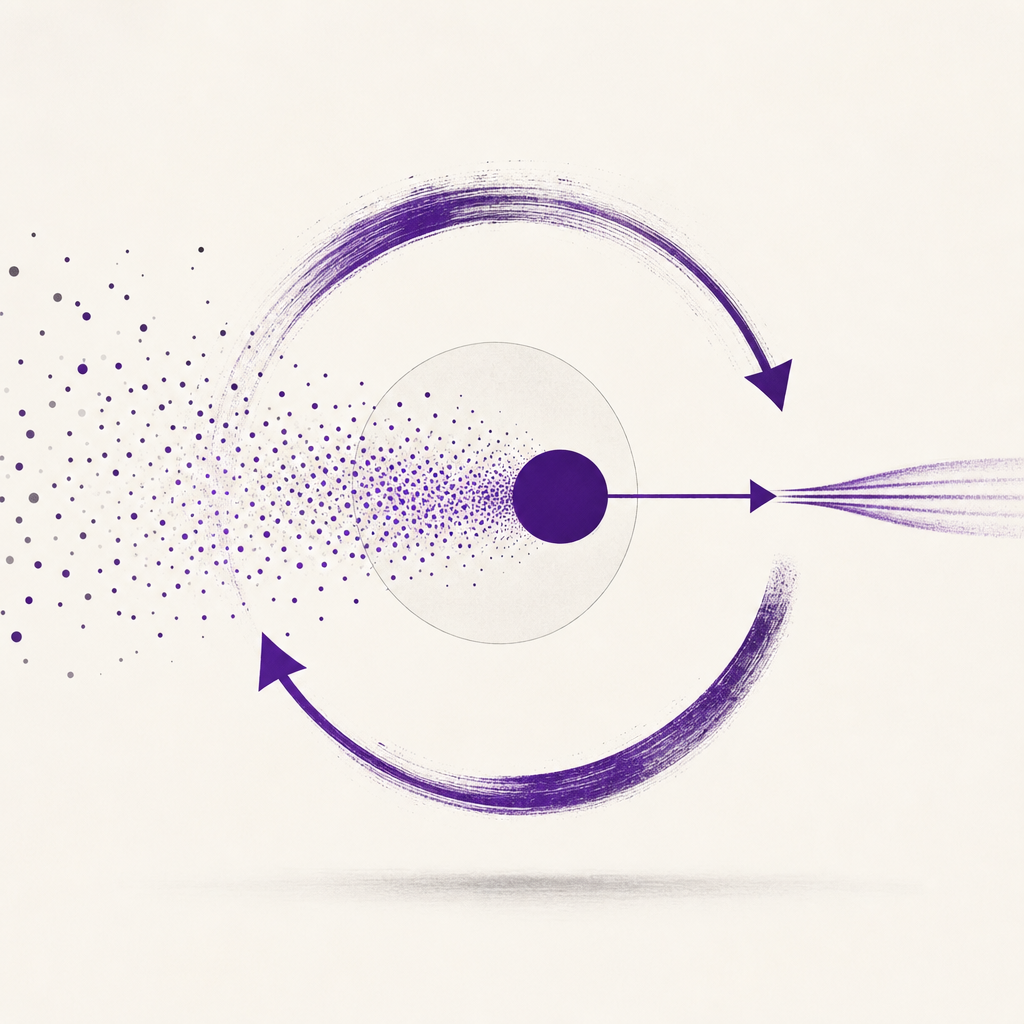
A recorded loop closes the signal-to-action gap.
Every run produces an outcome: converted, bounced, stockout detected, fatigue flagged. On Nagent those outcomes are recorded with the decision that caused them, and AI teammates earn autonomy level by level on that track record. No retraining sprint. No waiting for a data science team to re-score the model.
In practice, this means:
A velocity-monitoring agent watches SKU sell-through by store cluster against a rolling 14-day baseline. When a cluster drops more than 15% below trend, it triggers the correction sequence.
A creative-fatigue detector tracks frequency-to-engagement decay curves by creative asset. When the curve inverts, more frequency, fewer actions, it queues a creative swap from the approved asset library.
A stockout-risk agent cross-references retailer inventory APIs against campaign impression delivery. It identifies the overlap window where you're spending money driving consumers to empty shelves.
Each of these runs independently. As the record grows, thresholds can be tuned on evidence, false positives fall, and the team's trust in each type of correction is earned rather than assumed.

What happens after drift is detected, how does the correction work?
Detection without action is just a faster alert. The correction is where agentic workflows earn their margin.
When a drift signal crosses the confidence threshold, the team prepares the correction from a playbook your people agreed in advance, and a person approves it before it runs:
For stockout drift: 1. The inventory check confirms out-of-stock status via the retailer feed. 2. A proposal to pause paid media targeted at that retail geography goes to a person. 3. Once approved, the budget moves to in-stock clusters with available capacity. 4. The commercial team receives a structured brief: which SKUs, which stores, projected sell-through impact and the recommended next step.
For creative fatigue: 1. The fatigue check flags the underperforming asset with decay data attached. 2. The next approved variant is pulled from the asset library. 3. A 20%/80% traffic split, new creative versus control, is proposed for 48 hours and runs once approved. 4. The result, which variant won by channel and audience, is recorded for the next campaign.
This is the part conventional marketing automation cannot do. A scheduled workflow executes the original plan. An agentic loop reads what's actually happening and picks a different path.
"Self-correcting FMCG marketing workflows eliminate the window between 'we knew something was wrong' and 'we did something about it.'" [^1]
How does memory stop the same drift from happening next campaign?
On Nagent, the shared record means your AI teammates don't start from zero each quarter.
Most marketing stacks suffer from institutional amnesia. Campaign post-mortems get written, filed, and ignored. The next campaign team makes the same stockout error in the same regional cluster because no system remembered it.
Every correction event is recorded: what triggered it, what action was taken and what the outcome was. Six months later, when you launch a promotional push in the same region, the brief already shows that a given retailer cluster ran out of stock in week three of the last price promotion, and the correction can be proposed before the problem repeats.
When should FMCG teams build self-correcting workflows vs. rely on existing tools?
Build agentic correction loops when the cost of drift is higher than the cost of deployment.
For most FMCG teams running multi-channel campaigns across retail, e-commerce, and digital, that math resolves quickly. A single week of spend directed at out-of-stock shelves, across a national campaign, can cost more than an annual enterprise AI subscription.
The practical trigger points:
You run campaigns across 5+ retail partners simultaneously.
Your campaign calendar has more than 2 major promotional windows per quarter.
Your current process relies on a human checking dashboards to catch anomalies.
Post-mortems consistently identify the same drift patterns, stockouts, fatigue, regional velocity drops.
Where the plan includes it, a Nagent forward deployed marketer joins the team and owns the number with you, helping set up the correction playbooks your people approve.
Related reading
Frequently Asked Questions
What is a self-correcting FMCG marketing workflow?
A self-correcting FMCG marketing workflow is an agentic system that monitors live campaign signals, such as sell-through velocity, retailer inventory and creative engagement decay, and prepares corrective action when performance drifts off target. Unlike scheduled automation, it doesn't just execute a fixed plan; it responds to what's actually happening, and a person approves each correction before it runs.
How does an agent detect stockout risk during an active campaign?
A stockout check cross-references retailer inventory feeds against live campaign delivery. When it finds an overlap, active spend targeting a retail geography with confirmed or predicted out-of-stock status, it proposes a pause and a reallocation. The commercial team receives a structured brief, and a person approves the change before spend moves.
What is creative fatigue and how do agents fix it?
Creative fatigue occurs when a campaign asset's frequency-to-engagement ratio inverts: more impressions, fewer clicks or conversions. A fatigue check tracks this decay curve by asset, channel and audience segment. When the curve crosses a threshold, it proposes a swap from the approved asset library and a split test to confirm the winner.
How does a shared record prevent the same campaign drift from recurring?
Every correction event is recorded: what triggered it, what action was taken and what the outcome was. When a similar pattern appears in a future campaign (same region, same promotional mechanic, same retail partner), the brief already carries it, and the correction can be proposed early.
How quickly can an FMCG team deploy self-correcting campaign workflows with Nagent?
There is no build project: you brief MIRA in plain English and agree the correction playbooks with your team. How quickly the loop runs depends mostly on which retailer, inventory and media data you can connect.
What's next
See how a self-correcting campaign loop would work for your brand's top promotional window, with your retail footprint and a person approving every correction. Book a demo.
Sources
The Agentic FMCG Playbook _(pdf)_