
11x vs Artisan vs Unify for AI Outbound

For a Series A B2B sales team choosing between 11x, Artisan, and Unify for AI outbound, the honest answer is that each tool does a different job. 11x runs autonomous SDR sequences. Artisan combines a human-like AI agent with a built-in data platform. Unify focuses on signal-based pipeline from warm intent data. None of them requires a human to approve before sending. That single fact is what separates them from NORA, Nagent's research-first outbound agent.
What does 11x actually do?
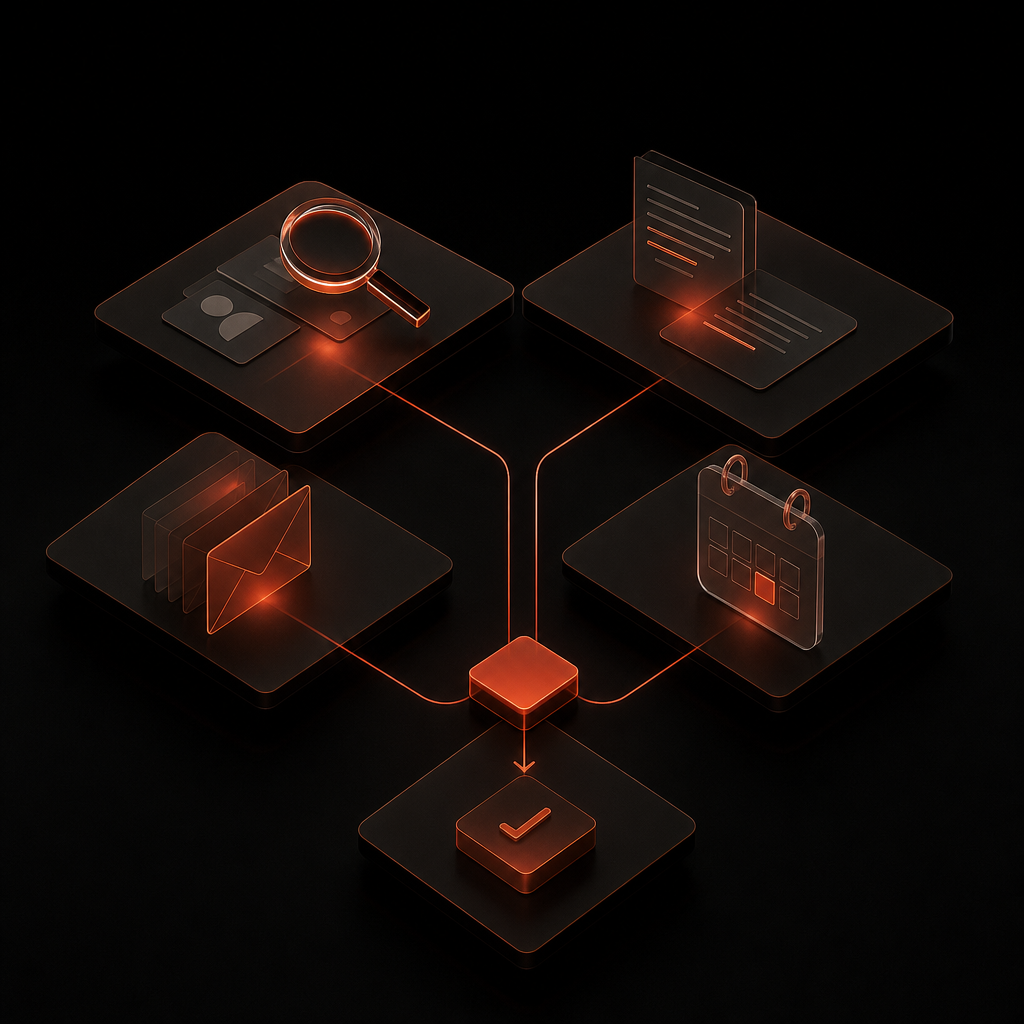
11x sells an AI SDR called Alice that sources prospects, writes sequences, and books meetings autonomously. (1)
Alice is positioned as a fully autonomous SDR replacement. The pitch is volume: Alice works around the clock, handles follow-ups, and books calls without a rep touching the keyboard. Pricing is reported at roughly $3,750 per month on an annual contract, though you should verify that directly with 11x before quoting it internally. (1)
The autonomy is the feature and the risk. Alice sends without a human in the loop. For teams that want speed above all else and have a high tolerance for variability in message quality, that model works. For teams where one bad email to the wrong VP costs a deal, it is a harder sell.
What does Artisan actually do?
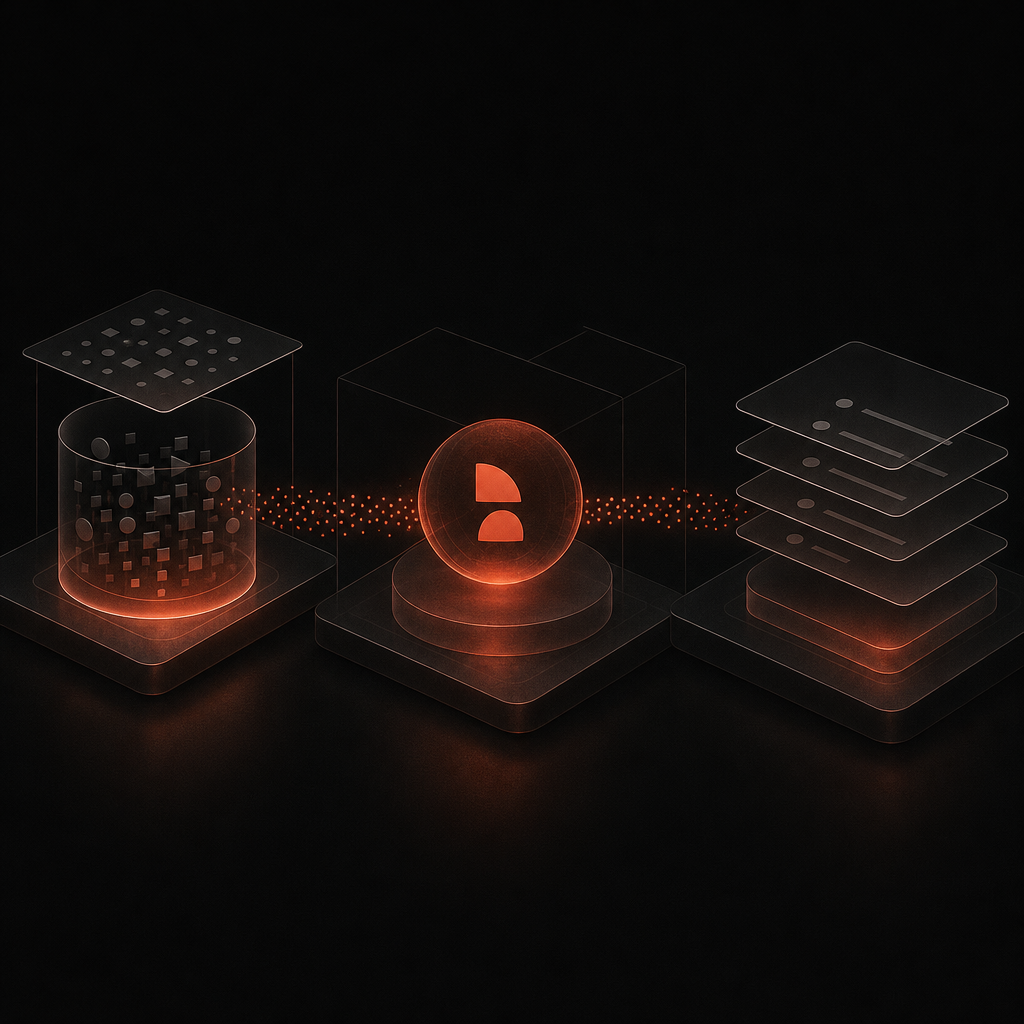
Artisan sells an AI BDR named Ava, bundled with its own B2B data platform and a sequence builder. (1)
The differentiation Artisan leads with is the data layer. Rather than pulling from a third-party enrichment tool, Ava works inside Artisan's own contact database. That vertical integration reduces the number of tools in the stack. Like Alice, Ava operates autonomously and sends without a mandatory human approval step. (1)
Teams that want a single vendor for data and outreach, and are comfortable with autonomous sending, will find Artisan a tidy fit. Teams that need to audit every message before it reaches a prospect will hit a ceiling quickly.
What does Unify actually do?
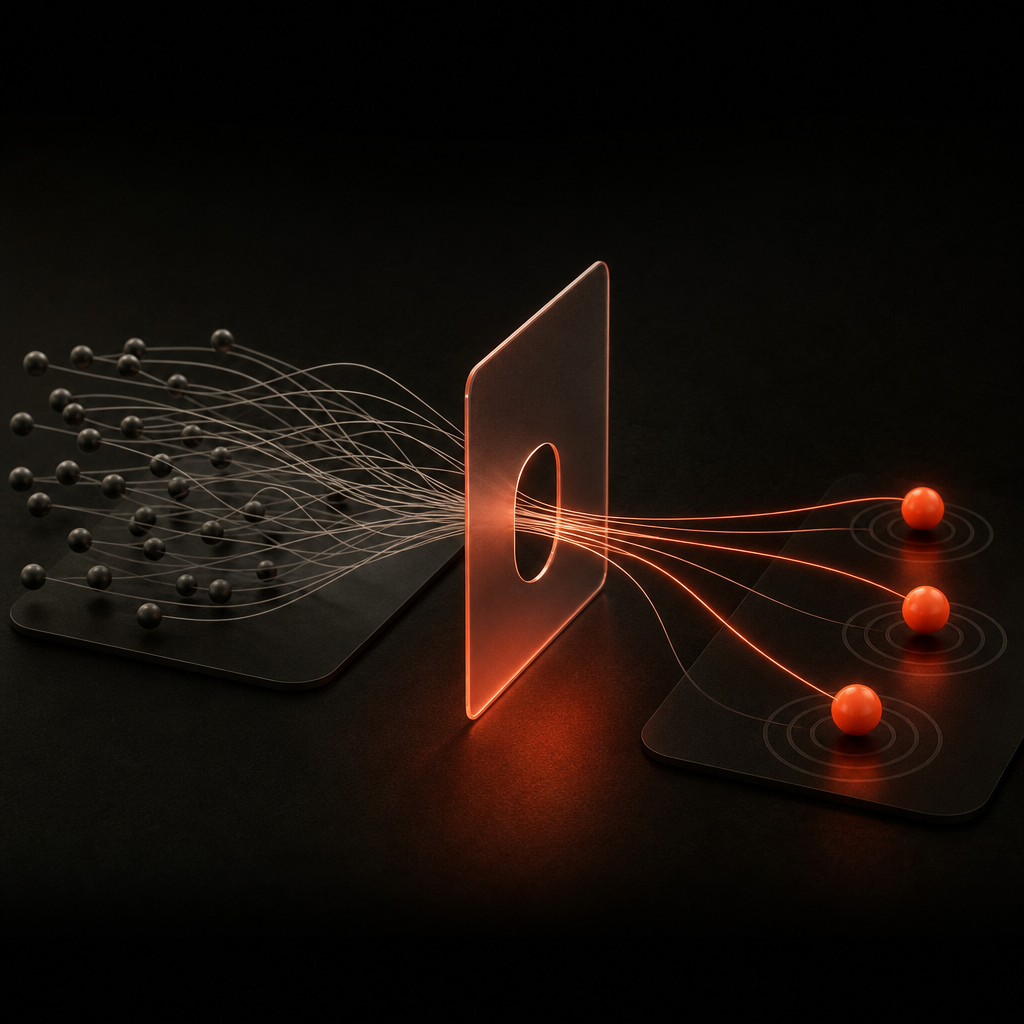
Unify is built around warm intent signals rather than cold volume. (1)
Where 11x and Artisan start with a list, Unify starts with a signal: a prospect visited your pricing page, engaged with a competitor's content, or triggered a product usage event. The platform then generates and sends outreach timed to that signal. The model is closer to account-based marketing automation than to a traditional SDR tool. Pricing is not publicly listed; you will need to request a quote. (1)
If your pipeline problem is "we have intent data but no capacity to act on it fast enough," Unify addresses that directly. If your problem is net-new prospecting into cold accounts, it is not the primary tool for that job.
What are the two questions that actually decide fit?
The two questions are: does the tool research before it writes, and does a person approve before it sends?
Every comparison of 11x vs Artisan vs Unify eventually collapses into these two questions. Everything else, the UI, the integrations, the sequence templates, is secondary. Here is why they matter.
Research before writing determines message quality at scale. A tool that pulls a name and company into a template is not researching; it is merging. A tool that reads a prospect's recent earnings call, checks their tech stack, and surfaces a specific trigger before drafting is doing something categorically different. The output reads differently, and reply rates reflect that.
Approval before sending determines your exposure. When an agent sends autonomously, every message is a bet that the model got it right. Most of the time it does. The times it does not, the damage lands in a real inbox. For a Series A team where every enterprise relationship matters, that is a meaningful risk.
Neither 11x, Artisan, nor Unify builds a mandatory human approval gate into their core architecture. That is a design choice, not an oversight. They are optimizing for throughput. That is a legitimate trade-off. It just needs to be a conscious one.
How does NORA compare on those two questions?
NORA answers both questions differently: it produces a cited research dossier per account before writing, and nothing sends until a human approves. (1)
The research step is not a feature toggle. NORA generates a sourced dossier for each target account before a word of outreach is drafted. The approval gate is not a toggle someone flips by accident. It comes from the autonomy ladder: NORA starts at a level where no CRM write commits and no email sends until a rep reviews and approves, and only a person can raise that level, one step at a time. (1)
The trade-off is throughput. NORA is slower than Alice or Ava at raw volume. The bet is that higher-quality, human-approved messages to a tighter list outperform high-volume autonomous sequences on the metrics that matter at Series A: qualified meetings booked, not emails sent.
NORA sits inside the Nagent platform, which means it shares context with the rest of the growth team's agents rather than operating as a standalone point tool. That matters when your SDR handoff to AE is currently a Slack message and a prayer.
When is 11x the better pick?
11x is the better pick when your team needs to run high-volume cold outreach fast and has the capacity to monitor output quality manually.
If you are selling a product with a broad ICP, a short sales cycle, and a team that can review booking rates weekly and adjust, Alice's autonomous model fits. The annual contract structure means you are committing to volume as a strategy. Go in with that clarity.
When is Artisan the better pick?
Artisan is the better pick when you want to consolidate your data vendor and your outreach tool into one contract.
If you are currently paying separately for a contact database and a sequencer, Artisan's bundled model simplifies the stack. Ava's autonomous operation carries the same approval-gate caveat as Alice. But if the data consolidation saves meaningful budget and complexity, that trade-off makes sense.
When is Unify the better pick?
Unify is the better pick when intent signal activation is your bottleneck, not cold prospecting volume.
If your CRM is full of warm accounts that visited your site or engaged with your content, and your team cannot respond fast enough to capitalize on those signals, Unify solves a real problem. It is not a cold outbound tool. Positioning it as one will disappoint.
When is NORA the better pick?
NORA is the better pick when message quality and human control matter more than raw send volume.
For a Series A team selling into enterprise or mid-market accounts where a single bad email can close a door permanently, the research-first, approval-gated model is the right architecture. NORA is also the right pick when the sales team wants to grow into higher autonomy over time without switching tools: the platform's earned autonomy model lets agents take on more as they build a track record. (1)
The Nagent comparison library covers 69 platforms across 11 categories if you want to go deeper on any of these vendors against a consistent scoring framework. (2)
Related reading
Frequently Asked Questions
What is the main difference between 11x, Artisan, and Unify?
11x and Artisan both offer autonomous AI SDR agents that source, write, and send outreach without human approval. Unify is focused on activating warm intent signals rather than cold prospecting at volume. The three tools address related but distinct problems in the outbound stack.
Do any of these tools require human approval before sending?
None of 11x, Artisan, or Unify builds a mandatory human approval gate into their core architecture. They are designed for autonomous operation. NORA, Nagent's outbound agent, starts with an approval gate so that no email sends until a person reviews it, and only a person can give her more autonomy.
What does "research before writing" mean in an AI outbound context?
Research before writing means the agent gathers sourced, account-specific information, such as recent news, tech stack signals, or trigger events, before drafting any outreach. NORA produces a cited dossier per account before writing. Template-merge tools pull a name and company into a fixed structure, which is a different process with different output quality.
Is NORA a replacement for 11x, Artisan, or Unify?
NORA replaces 11x or Artisan for teams that prioritize message quality and human control over autonomous volume. It is not designed to compete with Unify's intent-signal activation model, which addresses a different bottleneck. Some teams run a signal-activation layer alongside NORA rather than choosing one or the other.
How do I decide which tool fits my team right now?
Start with the two questions: does the tool research before it writes, and does a person approve before it sends? If your answer to both is "yes, that matters to us," NORA fits. If you need autonomous volume fast and will monitor quality manually, 11x or Artisan is worth evaluating. If warm intent activation is the bottleneck, look at Unify.
What should you do next?
If you want to see how NORA's research-first, approval-gated model fits your current outbound motion, book a demo with the Nagent team and bring your two hardest ICP accounts. We will show you what a sourced dossier looks like before a word of outreach is written.