
Do GTM agents plug into your CRM?
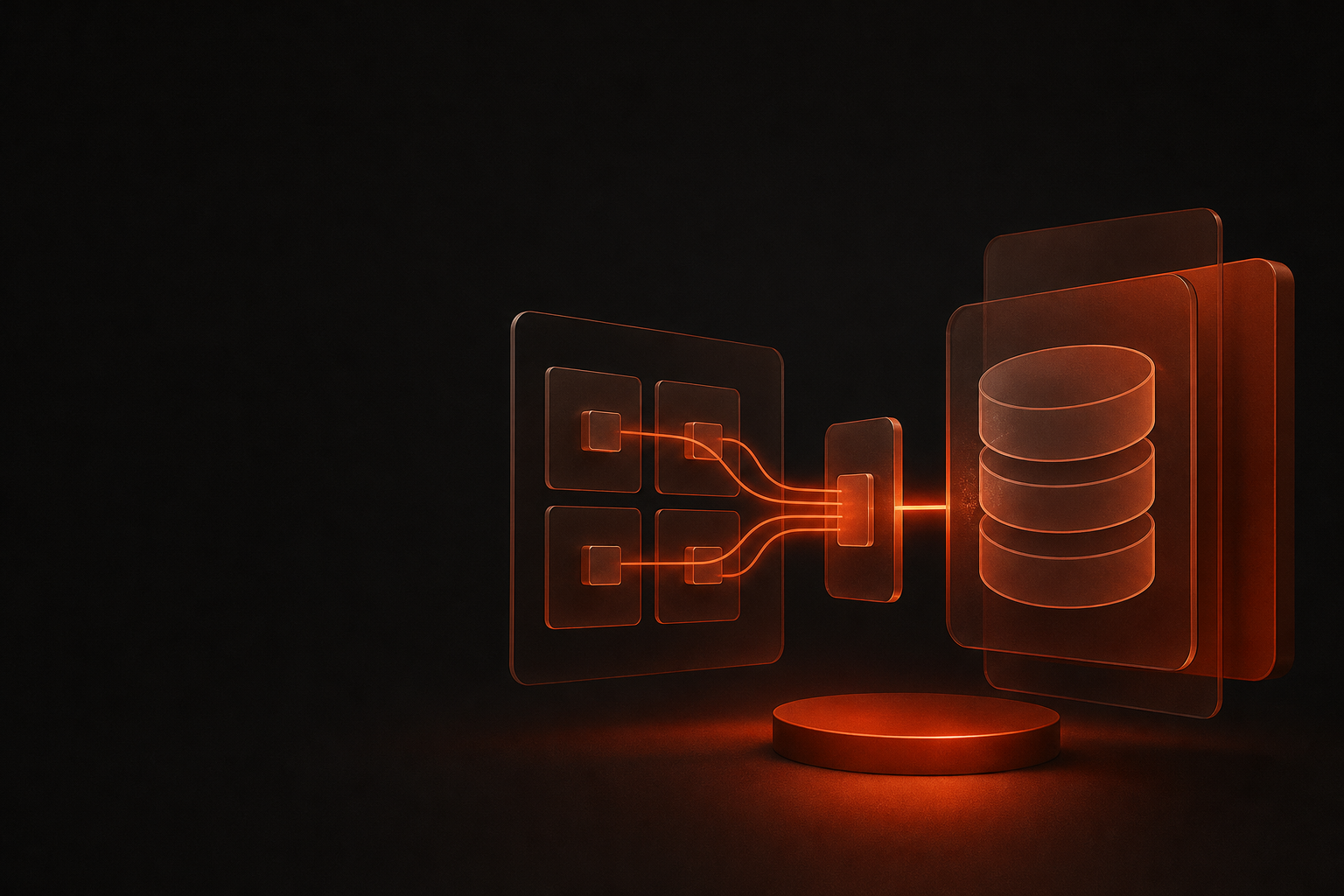
Meet SERA, our sales agent
Outbound, inbound triage, and pipeline ops in one agent. Plug into Salesforce, HubSpot, or your existing CRM.
See SERA in action →The right GTM agents read and write the CRM you already run. SERA reads deal stage, owner, value, and last activity directly from your CRM record. NORA routes outreach from that same record. No data gets copied by hand, no spreadsheet sits between your pipeline and your agents, and no rep gets briefed cold. Ask three questions before you commit to any agent: what records does it read, what does it write, and what waits for a person to approve.
Why do lead-gen tools and the CRM drift apart?
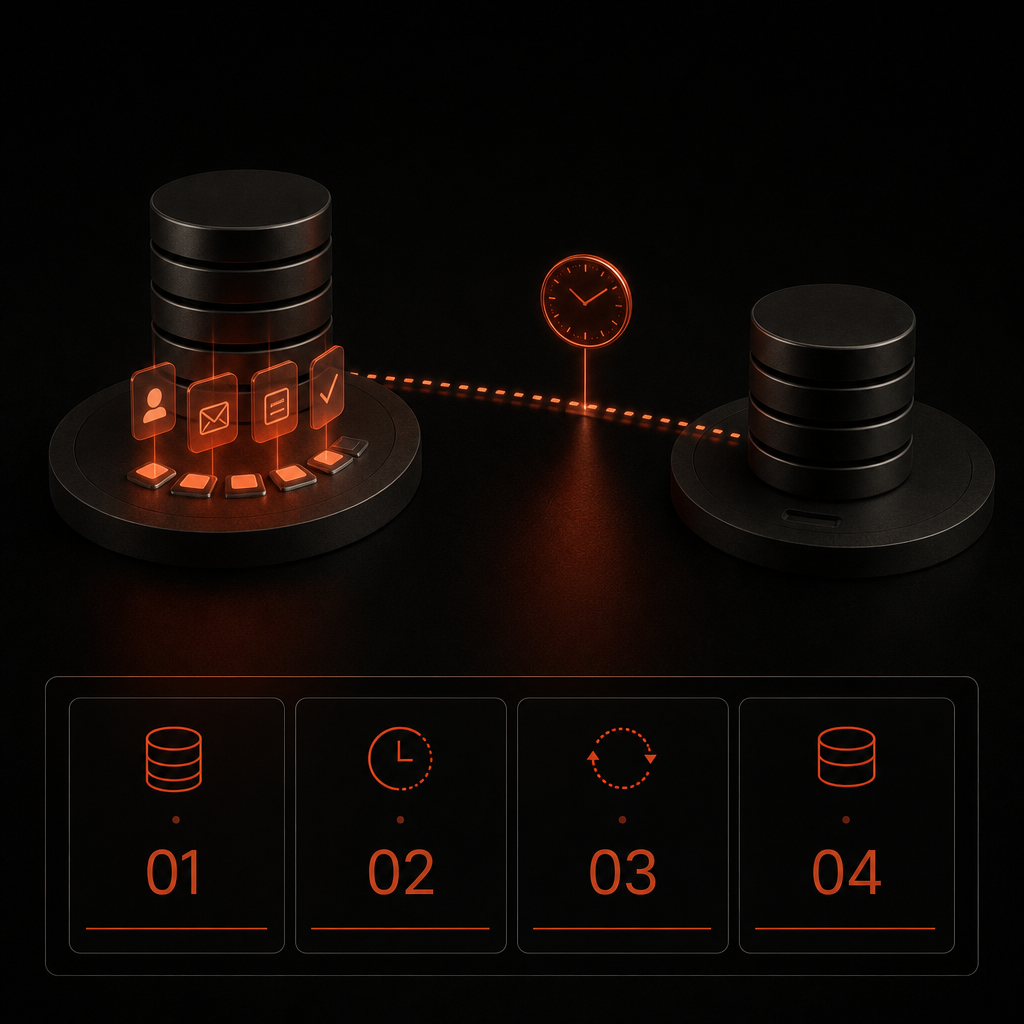
Most point tools write to their own database first, then sync on a schedule.
That sync gap is where data goes wrong. A prospect books a meeting in one tool, but the CRM still shows "contacted" for three hours. A rep calls on stale context. An agent fires a follow-up sequence that contradicts what the AE already said. The tools aren't broken. They just weren't designed to share a single record in real time.
The result is a familiar RevOps headache: four sources of truth, none of them trusted, and a weekly data-cleaning ritual that burns hours nobody budgets for.
The gap isn't a technology problem. It's an architecture problem. Lead-gen tools were built to generate, not to govern. CRMs were built to record, not to act. When you drop an AI agent into that gap without fixing the architecture underneath, you get a faster version of the same mess.
What records does SERA actually read from the CRM?

SERA reads the CRM digest in the team record: stage, count, value, age, and last activity, each as the record gives it. (1)
She never invents a deal, a contact, a value, or a close date. Where the CRM is silent, she says what is missing rather than filling the gap. (1) That distinction matters more than it sounds. An agent that fabricates a close date to complete a pipeline summary is worse than no agent at all, because the error is invisible until a forecast blows up.
SERA surfaces this data on demand. Ask her where a deal stands and she pulls from the CRM record, not from memory. (1) The answer is always grounded in what the system of record actually says.
This is the baseline for any CRM integration worth trusting: the agent reads the authoritative record, not a cached copy.
Does NORA write to the CRM, or does she work around it?
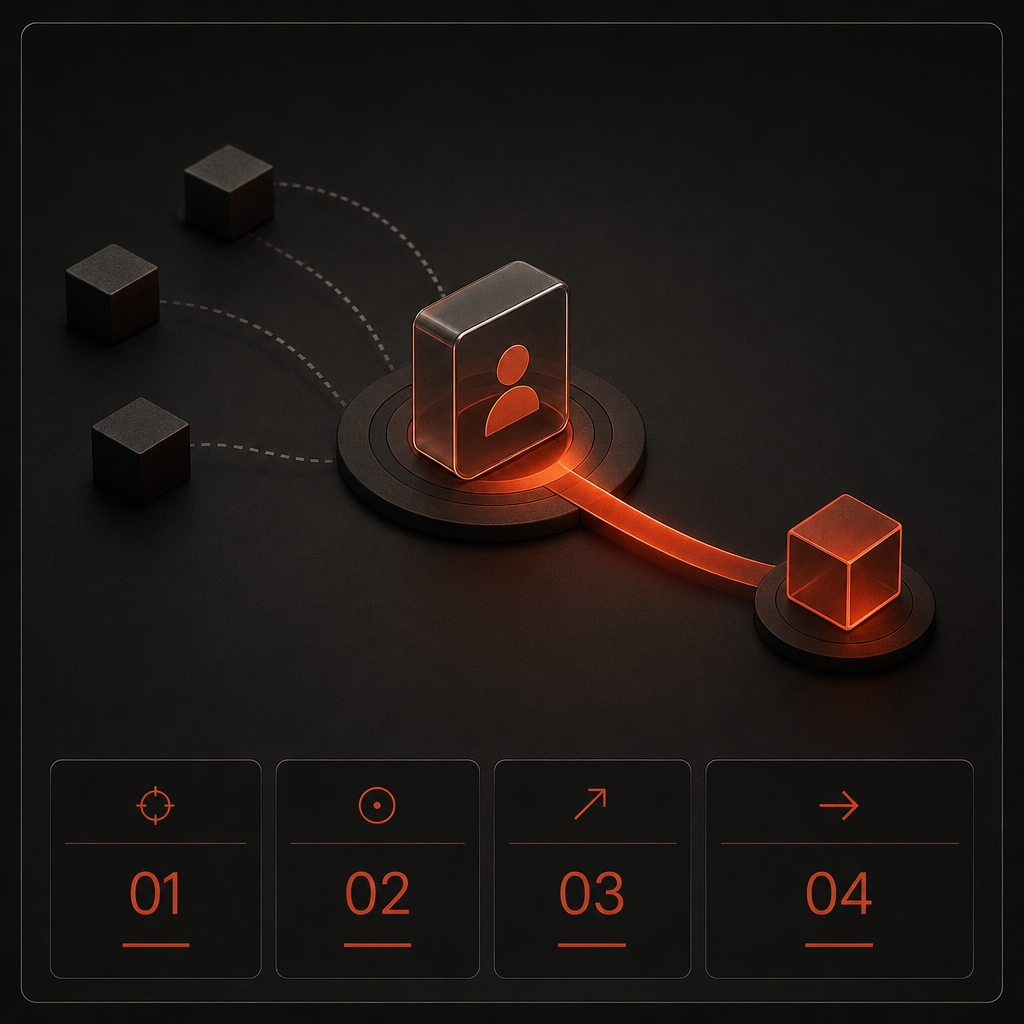
NORA works from the CRM record, not around it.
NORA leads outbound research and outreach under SERA. (1) Her outreach is set up to go out from the rep's own mailbox, through Gmail or Outlook (a connection still in beta), so the sender is the person who owns the lead, not a generic agent address. (1) That matters for deliverability and for trust.
The integration runs through confirmed connections: Gmail or Outlook for email, and Google Calendar for meeting booking. (1) When NORA books a meeting, it creates an event in Google Calendar. The CRM record updates from that action, so the pipeline stays current without anyone copying data by hand.
What NORA does not do is send email without asking first. Every outreach draft waits for a person's approval before it goes out. (1) An email that has been sent cannot be unsent, so the approval step sits before the irreversible action, not after.
Which CRMs do Nagent's AI agents integrate with?
Nagent's AI teammates work with Salesforce and HubSpot, the two CRMs most RevOps teams at 20 to 200 person B2B companies already run. (1)
SERA reads deal status from whichever of those you use. (1) Confirm your specific CRM during onboarding before committing to a full deployment. (1) That's the honest answer, and it's more useful than a claim that covers every CRM on the market.
The integration list is narrow by design. Broad, shallow integrations create the sync-gap problem described above. A deep integration with the two CRMs that cover most of the market is a more defensible architecture than a shallow connection to twenty.
What waits for a person to approve?
Any action that cannot be undone waits for a person.
Nagent fires the action, queues it for a person, or refuses it, before any agent acts. (1) Pure reads always run without approval. Writes that are reversible run under the agent's own trust level. Writes that are irreversible wait.
Specifically:
NORA's outreach drafts wait for a person to approve before they are sent. (1)
Nurture steps are drafted for a rep to review unless the workspace changes that setting. (1)
Destructive changes ask a person every time. (1)
Situations requiring judgment, such as executive relationships, legal concerns, or high-value enterprise deals, stay with a person. (1)
When an agent has spent long enough at its level with enough work decided and almost none dismissed, Nagent nominates it for the next level, and a person grants or declines expanded autonomy. (1) The agent earns wider trust from its own track record, not from a setting someone toggled on day one.
This governance model is what separates a CRM-native agent from a CRM-adjacent tool. The agent doesn't work beside the CRM. It works inside the same approval and trust layer that governs everything else.
How does CRM-native ai agents crm integration change the RevOps workflow?
The weekly data-cleaning ritual shrinks, because there's nothing to reconcile.
When SERA and NORA operate from the CRM record directly, the record stays current as work happens. A qualified reply becomes a meeting and a handoff card. A handoff nobody acknowledges within 36 hours escalates automatically. (1) The AE who picks up the deal gets the full context, not a cold briefing from a rep who's already moved on.
AI agents can own roughly 40 percent of go-to-market workflows end-to-end today, specifically the repetitive, high-volume, data-dependent tasks. (2) CRM integration is what makes that percentage real rather than theoretical. An agent that can't read your pipeline can't qualify against it. An agent that can't write to your CRM can't move a deal forward.
The RevOps lead's job shifts from cleaning data to reviewing decisions. That's a better use of the role.
Should you audit your current CRM data before deploying an agent?
Yes, and it's the step most teams skip.
SERA never invents a deal or a contact. (1) That's a feature, not a limitation. But it means the agent's output is only as clean as the records it reads. If your Salesforce or HubSpot instance has duplicate contacts, missing close dates, or stages that nobody updates, the agent will surface exactly that, accurately.
A two-hour CRM audit before deployment will save you two weeks of confusion after. Check three things:
Stage definitions are consistent across the team.
Contact records have at least an email and a company name.
Last activity dates are being logged, not left blank.
Clean inputs produce clean outputs. The agent is not a data-cleaning layer. It's a decision-making layer that runs on top of clean data.
Related reading
Frequently Asked Questions
What CRMs do Nagent's GTM agents integrate with?
Nagent's AI teammates work with Salesforce and HubSpot, the CRMs most B2B growth teams already run. (1) SERA reads deal stage, owner, value, and last activity directly from whichever you use. Confirm your specific CRM during onboarding before committing to a full deployment. (1)
Does NORA send email automatically, or does a person approve each send?
Every outreach draft NORA writes waits for a person's approval before it is sent. (1) An email that has been sent cannot be unsent, so the approval step sits before the irreversible action. Autonomy widens only after the agent builds a record of decided work with almost nothing dismissed, and a person approves the raise. (1)
What happens to pipeline data when an agent hands off to a human?
When NORA qualifies a reply, it becomes a meeting and a handoff card with the full context from the CRM record. (1) A handoff nobody acknowledges within 36 hours escalates automatically, so nothing falls through. The receiving AE is never briefed cold. (1)
How do GTM agents handle deals that require human judgment?
Situations involving executive relationships, legal concerns, or high-value enterprise deals stay with a person. (1) The agent routes those cases rather than acting on them. No email goes out without approval in those scenarios. (1)
Should I clean my CRM before deploying SERA and NORA?
Yes. SERA reads the CRM record as it exists and never invents a deal, a contact, or a close date. (1) Where the record is silent, she says what is missing rather than filling the gap. A short audit of stage definitions, contact completeness, and last-activity logging before deployment will make the agent's output immediately useful.
What should you do next?
If your CRM is running on Salesforce or HubSpot and you want to see exactly how SERA and NORA would work your existing pipeline, with a person approving every send, book a demo with Nagent and we'll walk through it on your own data.