
Best AI agent platforms for growth teams in 2026
The best AI agent platforms for growth teams in 2026 are the ones where people and agents share a single working context, autonomy is earned step by step, and a human approves what goes live. Feature counts and agent libraries are distractions. The real test: can your team see what the agent is doing, correct it mid-run, and ship with confidence? That test narrows the field fast.
What separates a real growth-team platform from a glorified prompt runner?
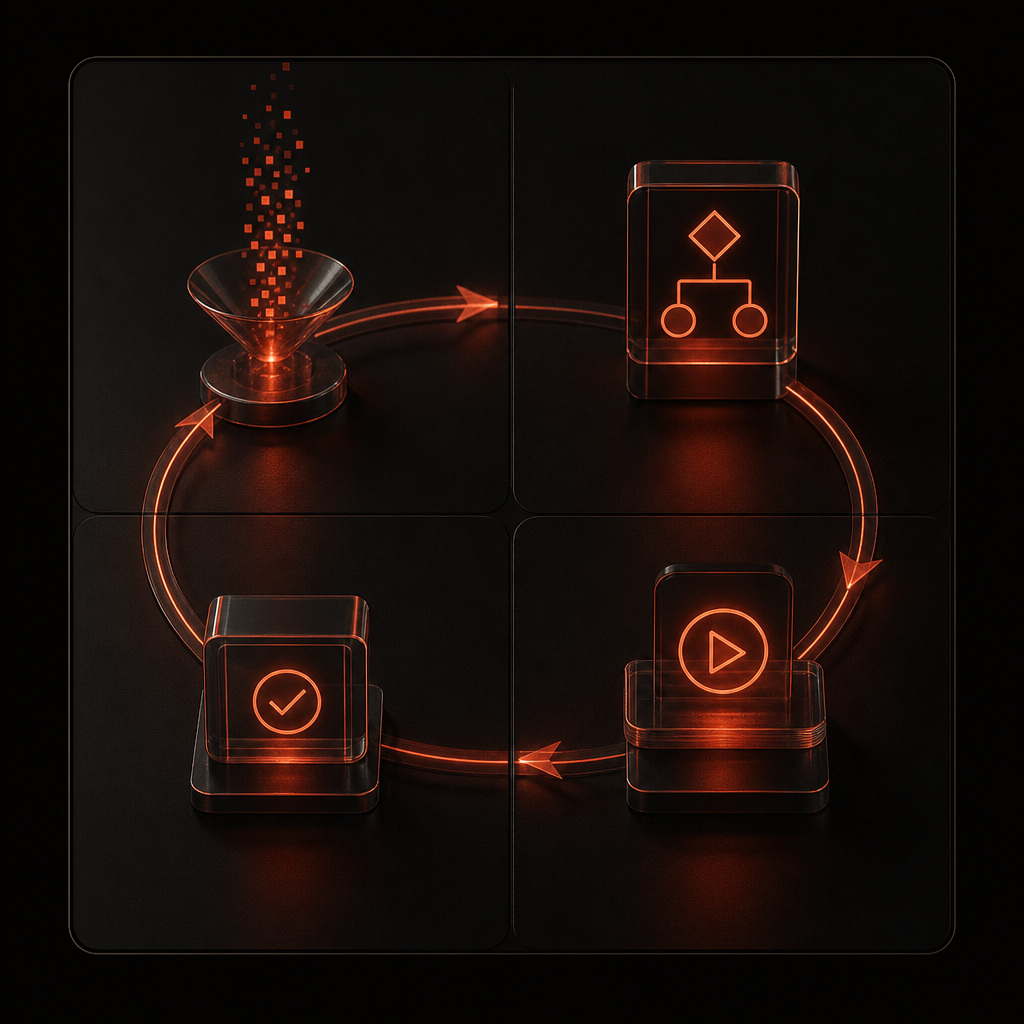
A real platform closes the loop. It reads a signal, makes a decision, executes an action, and logs the outcome without a human relay race in between.
Most tools marketed as agent builders stop at the suggestion. They produce a draft or a plan, then wait. Someone on your team reads it, decides whether it's right, and does the work manually. That is a faster typewriter, not an agent.
For a 20 to 500 person B2B SaaS team, there are no spare humans standing by to process AI suggestions. The platforms worth evaluating in 2026 share three properties:
Shared context. Agents and people see the same data, the same goals, the same history.
Earned autonomy. Agents act inside limits the team sets, and those limits expand as trust builds.
Human approval gates. What goes live, whether a campaign, a sequence, or a message, a person signs off on it.
Rank every platform on those three criteria. Everything else is marketing.
How do the leading platforms compare on these three criteria?
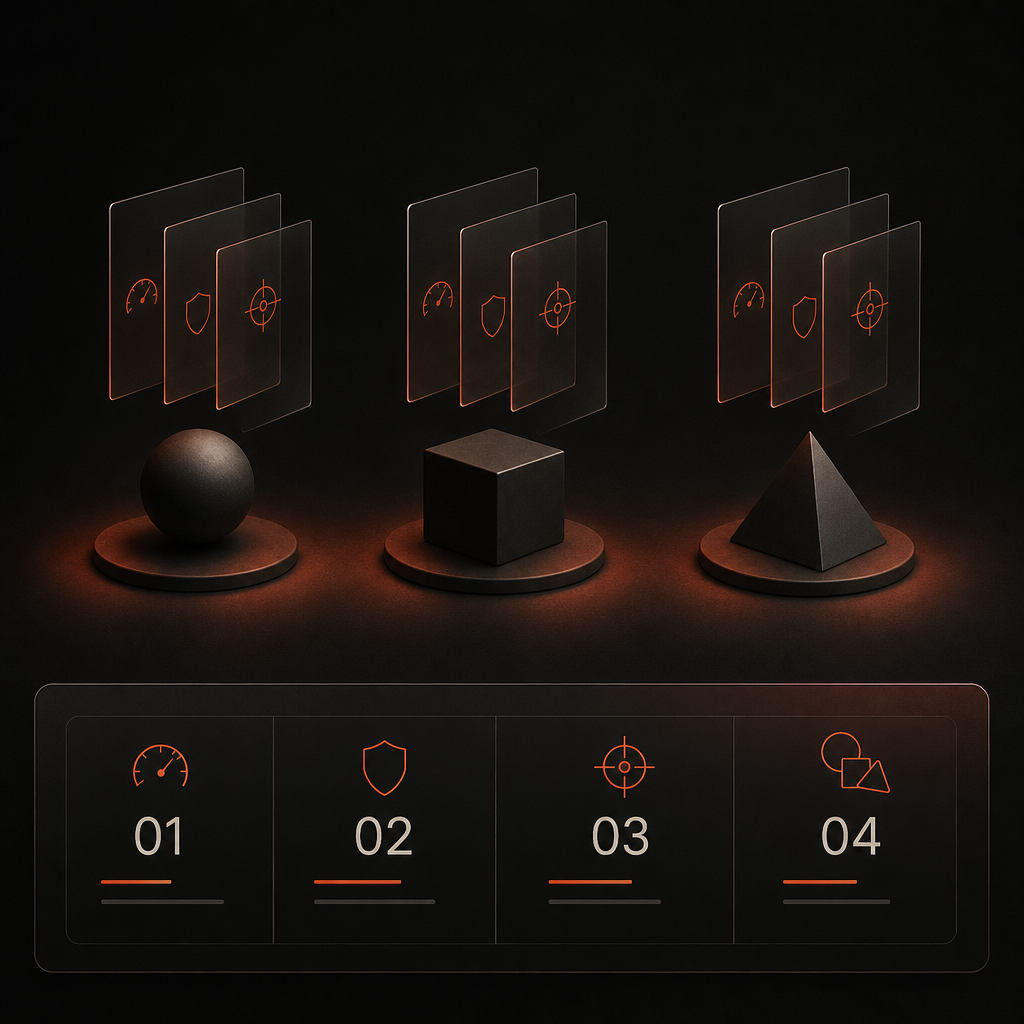
Each platform has a genuine best-fit case. The honest answer is that none of them win on all three criteria for every team.
HubSpot Agent Hub
HubSpot's Agent Hub sits inside a CRM most growth teams already use. That is its main advantage: the shared context is already there because your contacts, deals, and campaign data live in HubSpot. Agents can act on that data without a separate integration project.
The ceiling is low for teams that need agents to reason across multiple workflows or adapt mid-run. HubSpot's agents are strong at linear tasks: enrolling contacts, sending follow-ups, updating properties. Conditional logic and multi-step reasoning require workarounds. Best fit: teams that want agents to automate CRM hygiene and basic nurture sequences inside an existing HubSpot setup.
Salesforce Agentforce
Agentforce is built for enterprise scale and deep Salesforce data. If your revenue stack runs on Salesforce, agents can act on rich CRM context without data movement. The approval and governance layers are mature.
The trade-off is implementation time. Agentforce is not a two-hour deployment. It suits engineering-led teams with Salesforce admins on staff. Growth teams at the smaller end of the 20 to 500 range will find the setup cost high relative to the value unlocked in the first 90 days. Best fit: mid-market and enterprise teams already deep in the Salesforce ecosystem with technical resources to configure agents properly.
Lindy
Lindy takes a no-code approach to agent building. You describe what you want an agent to do, and Lindy builds the workflow. For simple, repeatable tasks, that speed is real. A growth team can have a lead-routing agent running in an afternoon.
The gap shows when tasks require memory across sessions or mid-execution adaptation. Lindy handles linear workflows well. Anything requiring the agent to remember what happened last week, or to change course based on a new signal, pushes against its limits. Best fit: small growth teams that need fast automation for well-defined, repeatable tasks and can accept those limits.
Relevance AI
Relevance AI is a serious agent builder aimed at technical growth and revenue teams. It supports multi-agent orchestration, persistent memory, and custom tool connections. Teams that want to build proprietary agents from scratch, rather than deploy pre-built ones, get real flexibility here.
The cost is setup time and ongoing maintenance. Relevance AI rewards teams with a developer or a technically strong ops person. Without that, the flexibility becomes friction. Best fit: growth teams with technical capacity who want full control over agent design and are willing to invest in building before they can deploy.
Dust
Dust is a horizontal AI platform focused on giving teams a shared knowledge layer. Agents in Dust can access company documents, Notion pages, Slack history, and other sources to answer questions and draft outputs. The shared-context story is strong.
Execution autonomy is more limited. Dust agents are excellent at synthesis and drafting. They are less suited to closing a loop on an outbound sequence or running a campaign cycle end to end. Best fit: teams that want agents to surface institutional knowledge and support content or research workflows, rather than execute outbound or campaign actions.
Where does Nagent fit among the best AI agent platforms for growth teams?

Nagent is built specifically for growth teams where people and agents work in one shared context, not in parallel silos.
The design premise is multiplayer: your marketing, sales, and content agents, including MIRA for marketing, SERA for sales, CREA for content, and NORA for outbound research, operate in the same workspace as the humans running the function. An agent doesn't hand off to a person. They work the same goal together.
Autonomy is earned, not assumed. Agents act inside limits the team configures, and those limits expand as the team builds confidence in the agent's judgment. What goes live requires human approval. That structure matters for growth teams where a bad email sequence or an off-brand campaign has real consequences.
Teams can also build on it. A growth team can build a custom agent from one sentence in Nagent's agent builder (see how), extend an existing agent with knowledge from the Knowledge Hub, the tools it may use and a level on the autonomy ladder, and connect hundreds of tools, plus your own API.
On the three criteria that matter:
Shared context. Agents and people share one workspace, one goal, one audit trail.
Earned autonomy. Configurable limits, not a binary on/off switch.
Human approval gates. Built into the workflow, not bolted on as an afterthought.
Nagent is ISO/IEC 27001:2022 certified, with tenant isolation, RBAC, and an append-only audit log. For growth teams at B2B SaaS companies where data handling matters, that's a practical requirement, not a nice-to-have.
Best fit: growth teams of 10 to 200 people who want agents and humans working the same number together, with governance that scales as the team's confidence in AI grows. See the full platform overview.
Which platform should you actually choose?
The answer depends on three things, not on which platform has the longest feature list.
First, what is your team's technical capacity? Relevance AI and Agentforce reward teams with technical resources. Lindy and HubSpot Agent Hub reward teams that want speed over flexibility. Nagent is built to be deployed without a dedicated AI engineer, though it scales when you have one.
Second, where does your data live? If everything is in HubSpot, HubSpot Agent Hub has a structural advantage. If it's in Salesforce, Agentforce does. If your data is spread across tools, you need a platform with a strong integration and memory layer.
Third, what does "done" look like for your agents? If done means a draft for a human to review, most platforms work. If done means a campaign cycle completed, a sequence sent, and outcomes logged, the field narrows to platforms where agents actually close the loop.
The best AI agent platforms for growth teams in 2026 are not the ones with the most agents. They are the ones where your team can see what an agent is doing, trust that it will stay inside the right limits, and approve the output before it reaches a customer.
Related reading
Frequently Asked Questions
What makes an AI agent platform suitable for a growth team specifically?
A growth team needs agents that execute, not just suggest, because there are no spare people to process AI recommendations manually. The platform must support shared context between people and agents, configurable autonomy limits, and human approval gates before anything goes live. Platforms built for general enterprise use often lack these growth-specific workflow patterns.
How do the best AI agent platforms for growth teams handle human oversight?
The strongest platforms build approval gates into the workflow rather than treating oversight as an optional layer. Nagent, for example, requires human sign-off before agent outputs go live, and agents operate inside limits the team sets. HubSpot Agent Hub and Salesforce Agentforce also have approval mechanisms, though their depth varies by configuration.
Is a no-code agent builder enough for a B2B SaaS growth team?
For simple, repeatable tasks like lead routing or contact enrollment, no-code tools such as Lindy can be enough. They fall short when workflows require persistent memory, mid-run adaptation, or multi-agent coordination. Most growth teams outgrow pure no-code builders within six months of serious agent use.
What is the difference between an agent platform and a workflow automation tool?
A workflow automation tool runs a fixed sequence of steps. An agent platform supports reasoning, memory, and mid-execution adaptation: the agent can change course based on a new signal without a human rebuilding the workflow. For growth teams running dynamic campaigns or outbound sequences, that distinction is the difference between a tool that helps and one that just adds complexity.
What should you do next?
The fastest way to find out which platform fits your growth team is to see agents working in a shared context, not in a demo environment, but against your actual workflows. Book a Nagent demo and bring your hardest growth workflow. We'll show you exactly where agents close the loop and where a human stays in control.